
Every day, millions of people search for businesses near them. They pull out their phones and type queries like “coffee shop near me” or “best plumber in Chicago.” If your business isn’t showing up in those local search results, you’re invisible to potential customers who are ready to buy right now.
Local SEO is the strategy that puts your business on the map—literally. It helps you appear in Google Maps, local pack results, and organic search when people in your area look for what you offer. Whether you run a single storefront or manage multiple locations, mastering local SEO can transform how customers find and choose your business.
This comprehensive guide walks you through everything you need to know about local search optimization. You’ll discover proven strategies that increase visibility, attract more customers, and drive measurable revenue growth. From claiming your Google Business Profile to building citations and earning reviews, we’ll cover the techniques that actually work in today’s competitive local search landscape.
What Is Local SEO and Why It Matters
Local SEO is the practice of optimizing your online presence to attract customers from specific geographic areas. Unlike traditional SEO that targets broad keywords nationally or globally, local search optimization focuses on connecting businesses with nearby customers actively searching for their products or services.
When someone searches for “dentist near me” or “Italian restaurant downtown,” search engines like Google use complex algorithms to deliver the most relevant local results. These results appear in several formats including the local pack (the map with three business listings), Google Maps directly, and organic search results with local intent.
The Local Search Opportunity
The statistics around local search reveal a massive opportunity for businesses. Research shows that 46% of all Google searches have local intent. That means nearly half of people using the world’s largest search engine are looking for something nearby. Even more compelling, 76% of people who search for something nearby visit a business within one day.
Mobile has accelerated this trend dramatically. With smartphones always within reach, consumers expect instant answers to location-based questions. They want to know what’s open now, what’s closest, and what other people recommend. Local SEO ensures your business appears with the right information at exactly the right moment.
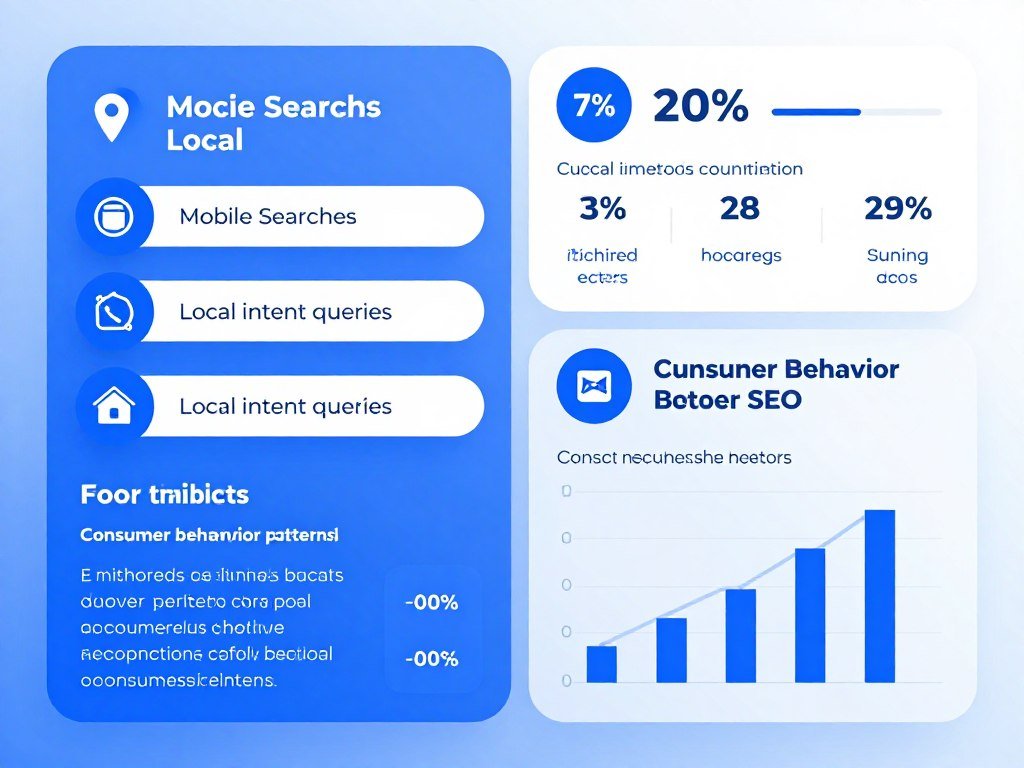
Key Insight: Local searches often signal high purchase intent. Someone searching for “emergency plumber” or “car repair shop open now” typically needs a solution immediately and is ready to become a customer within hours.
How Local SEO Differs from Traditional SEO
While local SEO and traditional SEO share fundamental principles, they differ in important ways. Traditional SEO focuses on ranking for broad keywords across wide geographic areas. A national retailer might target “running shoes” to reach customers anywhere in the country.
Local SEO targets location-specific variations of keywords and emphasizes proximity as a ranking factor. The same running shoe store with physical locations would optimize for “running shoes in Boston” or “running shoe store near Fenway Park.” The strategy recognizes that searchers want nearby options they can visit today.
Local SEO Advantages
- Less competition than national keywords
- Higher conversion rates from ready-to-buy customers
- Stronger connection with community
- Better ROI for small business budgets
- Multiple visibility opportunities in search results
Local SEO Challenges
- Requires consistent NAP management across directories
- Reputation management becomes critical
- Competition can be fierce in popular categories
- Google algorithm changes affect local rankings
- Multi-location businesses face scaling complexity
Discover Your Local SEO Opportunities
Get a free analysis of your business’s local search presence. Our experts will identify quick wins and growth opportunities specific to your market.
Optimizing Your Google Business Profile
Your Google Business Profile is the foundation of your local SEO strategy. This free tool from Google allows you to manage how your business appears across Google Search and Google Maps. When optimized correctly, your profile becomes a powerful asset that drives calls, website visits, and foot traffic to your location.
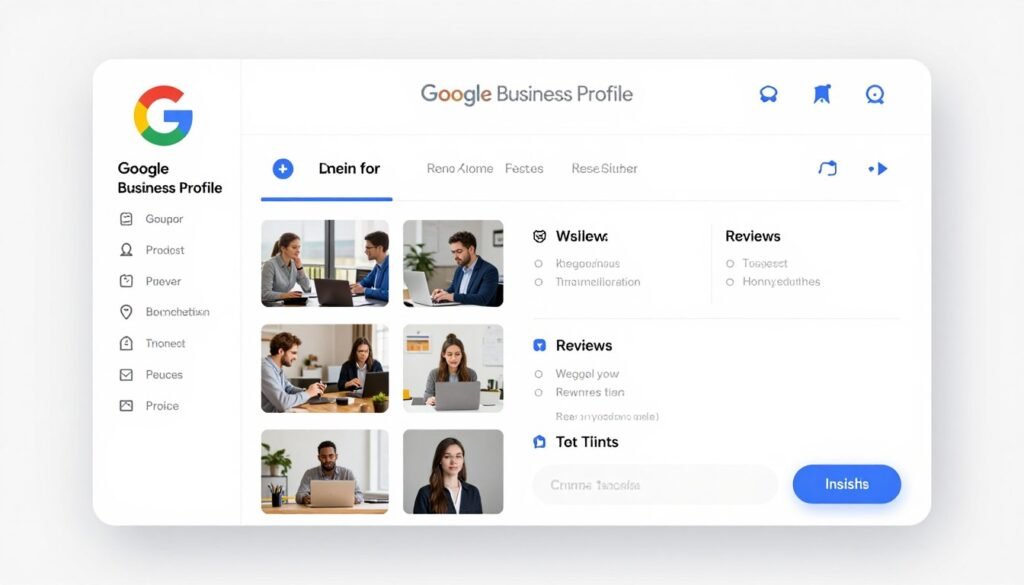
Claiming and Verifying Your Profile
The first step is claiming your Google Business Profile if you haven’t already. Search for your business name on Google. If a profile exists, click “Claim this business” and follow the verification process. Google typically verifies ownership by sending a postcard with a code to your business address, though some businesses qualify for instant verification by phone or email.
Verification matters because it gives you control over your business information. Without it, anyone could suggest edits to your profile, potentially changing your phone number, address, or hours. Verified businesses also unlock features like posting updates, responding to reviews, and accessing performance insights.
Essential Profile Information
Complete every section of your Google Business Profile. Google’s algorithm favors profiles with comprehensive, accurate information. Start with the basics but don’t stop there. The more detail you provide, the better Google can match your business to relevant searches.
Business Name
Use your actual business name exactly as it appears on your storefront and official documents. Avoid keyword stuffing. Google penalizes profiles with names like “Joe’s Pizza Best Pizza Downtown Chicago.”
Categories
Select the primary category that best describes your business, then add secondary categories. Choose specific categories over generic ones. “Italian Restaurant” performs better than just “Restaurant” for targeted searches.
Service Area
Define where you serve customers. Service-based businesses without a storefront should hide their address and specify service areas by city or zip code. Showing an address customers can’t visit hurts your credibility.
Hours of Operation
Accurate hours are critical for customer experience and local rankings. Keep your hours updated, especially during holidays. Google allows you to set special hours for holidays and temporary closures. Nothing frustrates customers more than arriving at a closed business because Google said it was open.
If your business offers different services at different times, use the more hours feature. A restaurant might have separate lunch and dinner hours. A medical practice might have different hours for urgent care versus regular appointments. Specificity helps customers and improves your search visibility for time-sensitive queries.
Photos and Visual Content
Businesses with photos receive 42% more requests for directions and 35% more clicks to their websites. Upload high-quality photos that showcase your location, products, services, and team. Google recommends specific image types including exterior shots, interior views, product photos, and team pictures.
Photo Guidelines: Upload photos at least 720 pixels wide and 720 pixels tall. Use JPG or PNG format. Show your business in good lighting with sharp focus. Avoid heavy filters or watermarks. Update photos regularly to keep your profile fresh.

Business Description
Your business description has a 750-character limit to explain what makes your business unique. Write naturally while incorporating relevant keywords. Describe your products, services, history, and what sets you apart from competitors. Focus on benefits customers care about rather than just listing features.
Include your location and service areas naturally within the description. Mention neighborhood names or landmarks people know. This helps with local relevance signals while giving potential customers context about where you’re located and who you serve.
Attributes and Special Features
Google offers dozens of attributes specific to your business category. A restaurant can indicate if they offer outdoor seating, delivery, or accept reservations. A hotel can highlight amenities like free WiFi, parking, or pet-friendly policies. Select all relevant attributes because they appear in search results and help customers make decisions.
These attributes also factor into search rankings for specific queries. When someone searches “restaurants with outdoor seating near me,” Google prioritizes businesses that have marked this attribute. Taking five minutes to check appropriate boxes can unlock visibility for dozens of relevant searches.
Need Help Optimizing Your Google Business Profile?
Our local SEO specialists have optimized thousands of profiles across every industry. We’ll handle the details while you focus on running your business.
Building Citations and Managing Directory Listings
Citations are online mentions of your business name, address, and phone number (NAP). They appear on business directories, review sites, social media platforms, and other websites across the internet. Search engines use citations to verify your business exists and to validate the accuracy of your location information.
The consistency and quantity of your citations directly impact local search rankings. Google looks for NAP consistency across the web. When your business information matches everywhere, it builds trust. Inconsistent information creates confusion and can hurt your rankings or prevent you from ranking at all.
Core Citation Sources
Start by claiming your business on major data aggregators and popular directories. These platforms feed information to hundreds of other sites, multiplying the impact of your efforts. Focus on these essential citation sources first before expanding to industry-specific directories.
| Platform | Category | Priority | Notes |
| Google Business Profile | Search Engine | Critical | Most important citation for local SEO |
| Bing Places | Search Engine | High | Powers Apple Maps and other services |
| Facebook Business Page | Social Media | Critical | Used by millions for local business discovery |
| Yelp | Review Site | High | Major citation source and review platform |
| Apple Maps | Navigation | High | Critical for iOS users |
| Yellow Pages | Directory | Medium | Established directory with high authority |
Industry-Specific Citations
After establishing presence on major platforms, expand to directories specific to your industry. Lawyers should be on Avvo and FindLaw. Restaurants need profiles on OpenTable and TripAdvisor. Healthcare providers belong on Healthgrades and Zocdoc. These niche directories often have higher conversion rates because users are actively searching within your category.
Research where your competitors appear online. Use tools to analyze their citation profiles and identify directories you’re missing. Look for directories with high domain authority in your industry. A citation from a respected industry-specific site carries more weight than dozens of low-quality general directories.
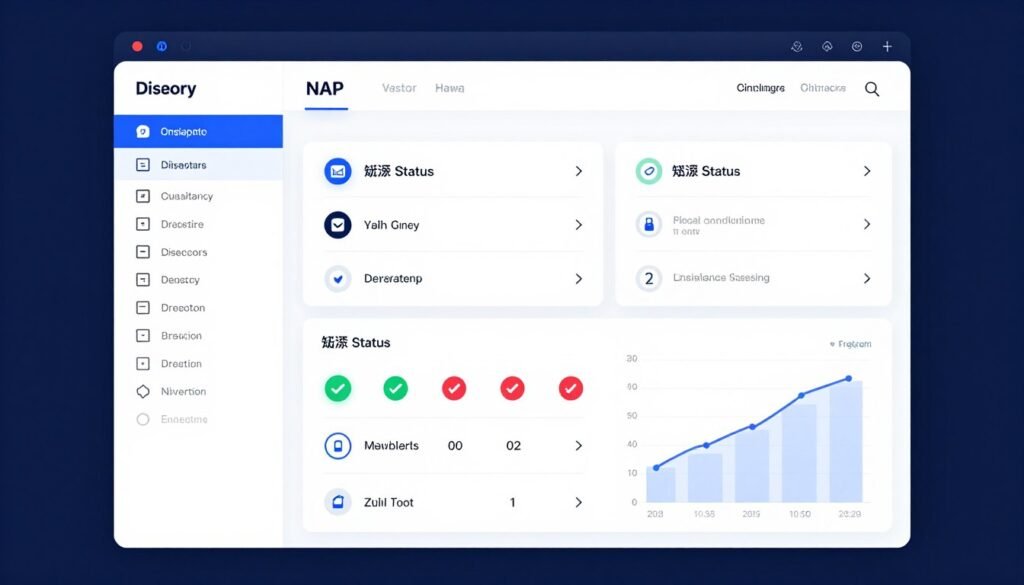
NAP Consistency Best Practices
Format your business name, address, and phone number identically across every citation. If your Google Business Profile lists “Smith & Associates LLC,” don’t abbreviate it to “Smith & Assoc” elsewhere. If you use “Suite 100” on one site, don’t switch to “Ste 100” or “#100” on others.
Phone number formatting matters too. Pick a format and stick with it. Either use (555) 123-4567 or 555-123-4567 consistently. The same applies to address formatting. Decide whether you’ll use “Street” or “St,” “North” or “N,” and maintain that choice everywhere.
Common NAP Mistakes: Using different phone numbers across listings, abbreviating business names inconsistently, including marketing slogans in business name, using PO boxes instead of physical addresses, and failing to update information after moving or rebranding.
Managing and Monitoring Citations
Citation management isn’t a one-time task. You need ongoing monitoring to catch and correct inaccuracies. Set up Google Alerts for your business name to get notified when new citations appear. Regularly audit your top citations to ensure information remains current.
When you change your phone number, update hours, or move locations, update every citation. This process can be tedious for businesses with hundreds of citations, which is why many companies use citation management tools or services. These platforms sync changes across multiple directories simultaneously, saving time and ensuring consistency.
Local Link Building
Beyond basic citations, pursue links from local websites and organizations. Sponsor community events and get mentioned on event pages. Partner with other local businesses for cross-promotion. Write guest posts for local blogs or news sites. Join your chamber of commerce and local business associations for directory links and networking opportunities.
Local links carry special weight in local search algorithms. A link from your city’s official website or a local news outlet signals strong community ties and geographic relevance. These contextual local links often outperform generic directory citations in terms of ranking impact.
Review Management and Reputation Building
Online reviews influence both search rankings and customer decisions. Google considers review quantity, velocity, and quality when determining local search rankings. Meanwhile, 93% of consumers say online reviews impact their purchasing decisions. Your review strategy directly affects both your visibility and conversion rate.
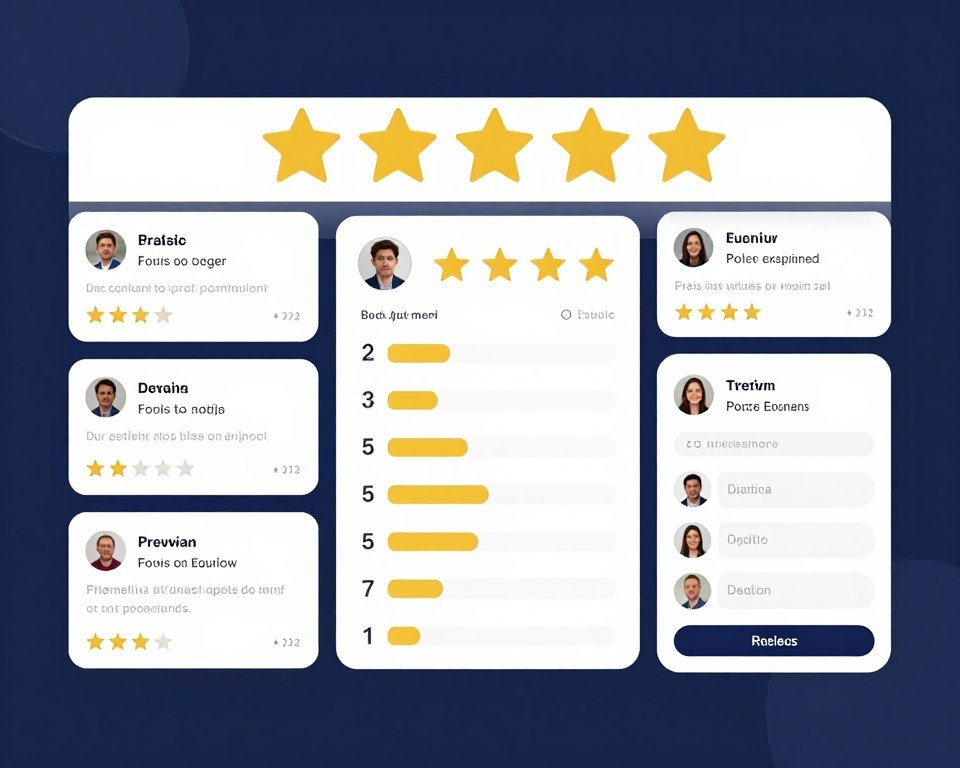
Getting More Reviews
The most effective way to get reviews is simply asking customers. Train your team to request reviews from satisfied customers. Timing matters – ask while the positive experience is fresh in their mind. For service businesses, send review requests within 24 hours of completing work. For retail, ask at the point of sale or via email shortly after purchase.
Make leaving a review easy. Send direct links to your Google Business Profile review page or other platforms. The fewer clicks required, the higher your response rate. Some businesses use QR codes on receipts or business cards that take customers straight to the review form.
Effective Review Request Methods
- Personal ask from staff after positive interaction
- Follow-up email with direct review link
- SMS message to customers who opted in
- QR codes on receipts or business cards
- In-store signage near checkout or exit
- Social media posts inviting reviews
Risky Review Practices to Avoid
- Buying fake reviews from services
- Offering incentives or discounts for reviews
- Writing reviews yourself from fake accounts
- Having employees leave reviews
- Gating review requests only to happy customers
- Using automated review generation software
Responding to Reviews
Respond to every review, both positive and negative. Thank customers for positive reviews and acknowledge their specific comments. This shows appreciation and demonstrates to potential customers that you value feedback. Keep responses professional but personal – avoid generic copy-paste replies.
Negative reviews require careful handling. Respond quickly and professionally. Acknowledge the customer’s concerns without getting defensive. Apologize for their poor experience and offer to make it right. Move the conversation offline by providing contact information. How you handle criticism publicly shows your commitment to customer service.
Review Response Time: Aim to respond within 24-48 hours. Fast responses signal active management and customer care. They also prevent negative reviews from sitting unanswered where they’re the first thing potential customers see.
Review Platforms That Matter
Focus your review efforts on platforms where your customers actually look. Google reviews are essential for all businesses because they appear directly in search results. Industry-specific platforms matter for certain businesses. Restaurants need Yelp and TripAdvisor. Hotels need Booking.com and TripAdvisor. Home service providers benefit from HomeAdvisor and Angie’s List.
Don’t spread yourself too thin. It’s better to have 50 reviews on Google than 10 scattered across five platforms. Concentrate on one or two primary review sites where most of your customers make decisions. Monitor these platforms regularly and respond consistently.
Dealing with Fake or Malicious Reviews
Sometimes you’ll receive reviews that violate platform guidelines. Google prohibits reviews from competitors, fake reviews, reviews about experiences that didn’t happen, or reviews containing spam. If you receive such reviews, flag them through the platform’s reporting system.
Provide specific reasons why the review violates guidelines when reporting. Include evidence if possible. While platforms don’t always remove flagged reviews, persistent legitimate reports often succeed. Never pay services claiming they can remove negative reviews – they can’t, and attempting to do so violates terms of service.
Using Reviews in Marketing
Positive reviews are powerful marketing content. With permission, feature customer testimonials on your website. Create social media posts highlighting great reviews. Include review snippets in email marketing. Add schema markup to display star ratings in search results. This review content builds trust and improves conversion rates across marketing channels.
Track metrics like average rating, total review count, and review velocity over time. These numbers indicate reputation health and reveal trends. A sudden drop in average rating or increase in negative reviews signals problems needing immediate attention. Regular monitoring allows you to address issues before they escalate.
Turn Reviews Into Revenue
Our reputation management services help you generate more reviews, respond effectively, and showcase positive feedback. Let’s build a review strategy that drives customer confidence and conversions.
On-Page Local SEO Optimization
Your website’s on-page elements communicate location relevance to search engines. Strategic optimization of these elements helps you rank for location-specific searches while providing valuable information to visitors. On-page local SEO bridges the gap between your physical location and online visibility.
Title Tags and Meta Descriptions
Include your city or service area in title tags for key pages. A plumber in Austin might use “Emergency Plumber Austin TX | 24/7 Plumbing Services.” This clearly signals location to both search engines and users. Keep titles under 60 characters to avoid truncation in search results.
Meta descriptions should also mention your location and include a call to action. These descriptions don’t directly impact rankings but influence click-through rates. A compelling meta description that mentions your area and unique value proposition attracts more clicks from local search results.
Header Tags and Content Structure
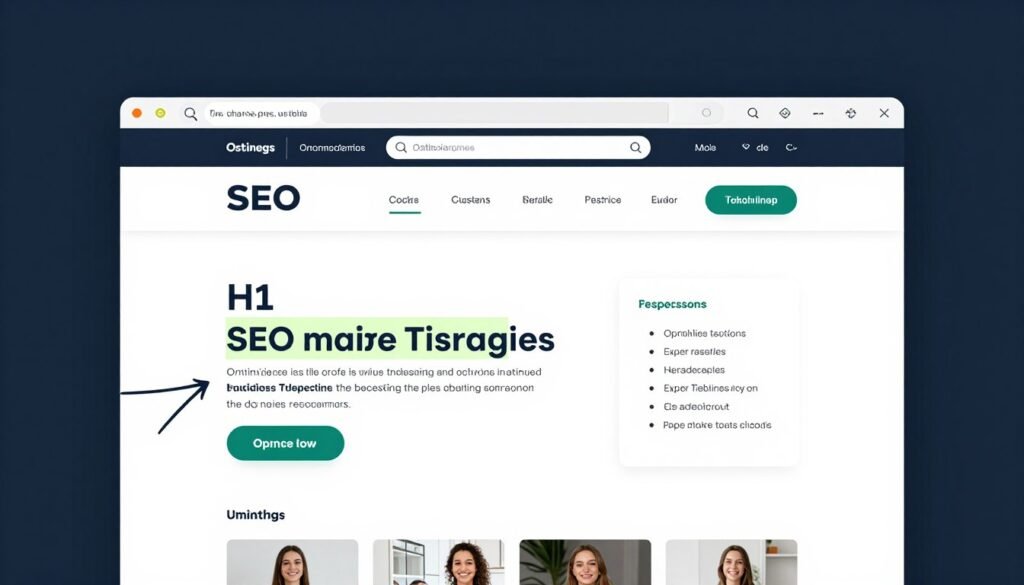
Use header tags (H1, H2, H3) to organize content and include location keywords naturally. Your H1 should clearly state what you offer and where. Subsequent headers can target specific services combined with location modifiers. This structure helps search engines understand your page topic and geographic relevance.
Create location-specific content that genuinely helps users. Don’t just stuff keywords into thin pages. Write comprehensive content about your services in the context of your local area. Discuss local challenges, mention local landmarks, reference local events or regulations. This natural local context signals relevance better than keyword repetition.
Location Pages for Multi-Location Businesses
Businesses with multiple locations need unique pages for each location. Avoid duplicate content by creating genuinely different pages. Each location page should include the address, phone number, hours, driving directions, parking information, and unique content about that specific location.
Embed a Google Map for each location. Include photos specific to that location showing the storefront, interior, and team members who work there. Add content about the neighborhood, nearby landmarks, or location-specific services. This level of detail creates valuable resources for customers while demonstrating each location’s unique identity to search engines.
Essential Location Page Elements
- Unique H1 with location name
- Complete NAP information
- Embedded Google Map
- Location-specific photos
- Unique content (300+ words)
- Local staff or manager profiles
- Customer testimonials from that location
- Driving directions from major landmarks
Location Page Best Practices
- Create unique URLs for each location
- Add schema markup for local business
- Include location in image alt text
- Link to Google Business Profile
- Show location-specific promotions
- Display reviews for that location
- List nearby parking options
- Mention public transportation access
Schema Markup for Local Business
Schema markup is structured data that helps search engines understand your content. Local business schema tells search engines your business name, address, phone number, hours, accepted payment methods, and more. This data can trigger rich results in search, including star ratings, price ranges, and business hours directly in search results.
Implement LocalBusiness schema on your homepage and location pages. Use Google’s Structured Data Markup Helper to generate the code. Test your implementation with Google’s Rich Results Test tool to ensure it’s error-free. Proper schema markup gives you an edge in local search and can increase click-through rates significantly.
Schema Types for Local Businesses: Use specific schema types when available. Restaurants should use Restaurant schema instead of generic LocalBusiness. Medical practices use MedicalBusiness or specific types like Dentist or Physician. Specific schema provides more relevant structured data options.
NAP Consistency on Your Website
Display your name, address, and phone number consistently throughout your website. Many businesses add NAP information to the footer of every page, making it easy for users and search engines to find. Match the exact formatting you use in your Google Business Profile and citations.
For multi-location businesses, create a locations page that lists all locations with addresses and links to individual location pages. This acts as a directory helping users find their nearest location while providing clear signals to search engines about all your business locations.
Mobile Optimization
Local searches happen predominantly on mobile devices. Google uses mobile-first indexing, meaning it primarily uses the mobile version of your site for ranking. Ensure your website loads quickly on mobile, displays properly on small screens, and makes key information like phone number and address easily accessible.
Make your phone number clickable so mobile users can call with one tap. Use large, finger-friendly buttons for actions like “Get Directions” or “Book Appointment.” Minimize form fields on mobile since typing is tedious on small keyboards. Mobile optimization directly impacts both rankings and conversion rates for local searches.
Creating Location-Focused Content
Content marketing strengthens local SEO by demonstrating expertise and relevance to your community. Strategic content creation attracts local traffic, builds authority, and gives you more opportunities to rank for location-based searches. The key is creating content that serves local search intent while providing genuine value.
Local Keyword Research
Start with keyword research focused on local variations of your core services. Use tools like Google Keyword Planner, SEMrush, or Ahrefs to identify location-specific keywords with search volume. Look for patterns in how people search for businesses like yours in your area.
Long-tail local keywords often have less competition and higher conversion rates. Instead of just targeting “dentist,” pursue “family dentist in Lincoln Park” or “emergency dental care Chicago.” These specific searches indicate clear intent and typically come from users ready to take action.
Types of Local Content
- City and Neighborhood Guides: Create comprehensive guides to areas you serve. Cover local attractions, events, tips for newcomers, and insider knowledge.
- Local News and Events: Comment on local news, sponsor events, or create content around seasonal local happenings.
- Customer Success Stories: Feature local customers (with permission) and how your business solved their problems.
- Local Industry Insights: Discuss how local regulations, weather, or conditions affect your industry.
- Community Involvement: Share your participation in local charities, events, or community initiatives.
Location-Specific Landing Pages
Create dedicated landing pages for each city or area you serve. These pages target “[service] in [city]” keywords and provide information specific to that location. Avoid thin content or duplicate pages – each location page needs substantive unique content about serving that specific area.
Discuss location-specific factors that affect your service. A roofing company might explain how local weather patterns impact roof longevity. A real estate agent could cover neighborhood-specific market trends. This approach creates valuable content while naturally incorporating location keywords.
Blog Content Strategy
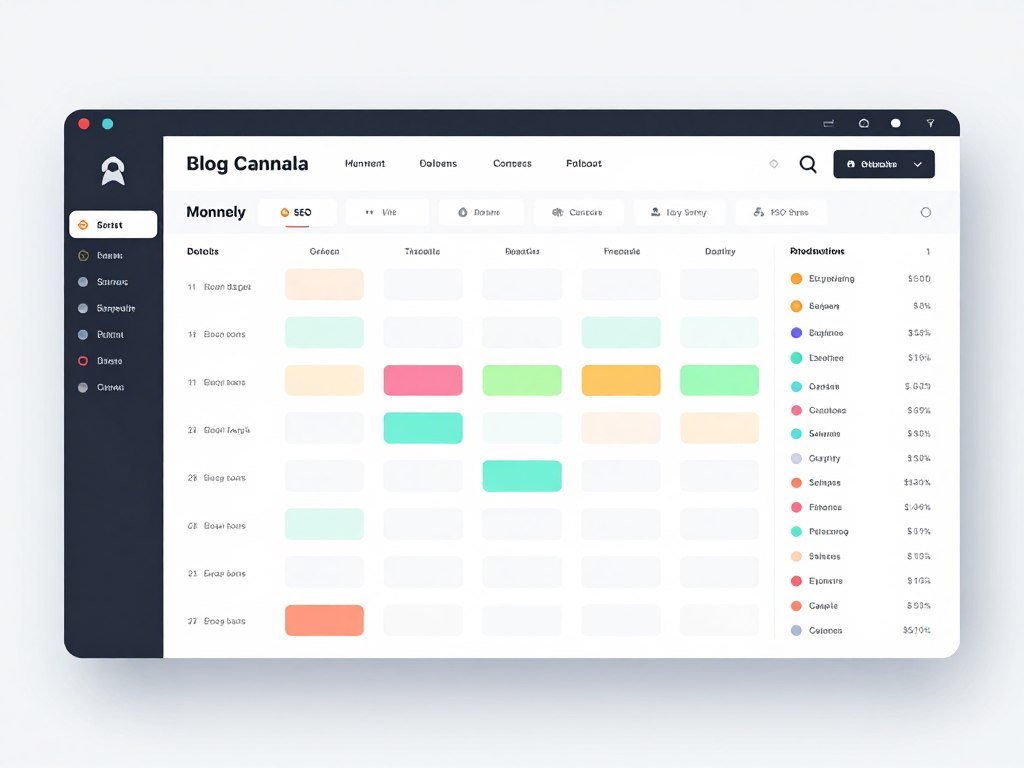
Maintain a blog that regularly publishes locally-focused content. Cover topics your local customers care about. Answer common questions you receive. Provide how-to guides relevant to your area. Use local events or news as content hooks to demonstrate your connection to the community.
Optimize blog posts with local keywords in titles, headers, and content. Link from blog posts to relevant service pages and location pages. Internal linking helps search engines understand your site structure while keeping visitors engaged longer.
Visual Content and Local Imagery
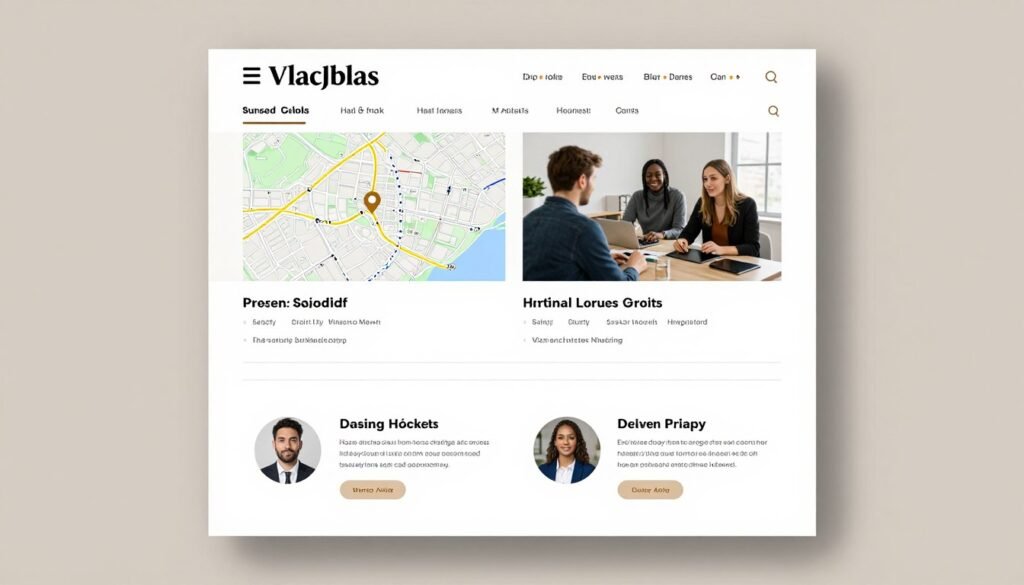
Use photos and videos featuring recognizable local landmarks, neighborhoods, or scenes. Visual content showing your business in its local context reinforces geographic relevance. Name image files descriptively with location keywords before uploading. Use alt text that describes images while incorporating location terms naturally.
Create video content showcasing your involvement in the local community. Film customer testimonials at your location. Create virtual tours of your business. Record explanations of your services with local landmarks visible in the background. Video content performs well in search and engages visitors more effectively than text alone.
What Will Local SEO Cost for Your Business?
Get an instant pricing estimate customized to your number of locations and goals. Our transparent pricing calculator shows exactly what to expect.
Local Link Building Strategies
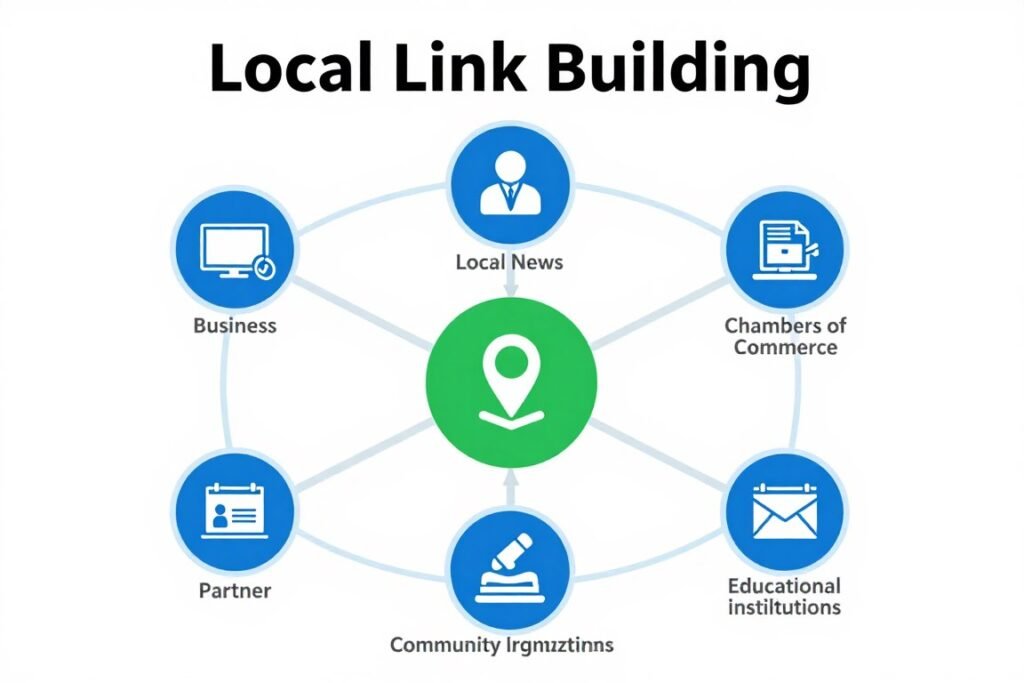
Links from other websites signal authority and relevance to search engines. For local SEO, links from locally-relevant websites carry extra weight. They demonstrate your connection to the community and validate your local presence. Strategic local link building improves rankings while driving referral traffic from sources your customers trust.
Community and Sponsorship Opportunities
Sponsor local events, sports teams, charities, or community organizations. Sponsorships often include links from event websites, local news coverage, and partner organizations. These authentic local links come from relevant sources and demonstrate community involvement.
Look for sponsorship opportunities that align with your brand values and target audience. A children’s dental practice might sponsor youth sports leagues. A law firm could sponsor legal aid clinics. Relevant sponsorships create better link opportunities and more effective marketing overall.
Local Business Partnerships
Partner with complementary local businesses for cross-promotion. A wedding photographer might partner with venues, florists, and caterers. Each business can link to partners from their website, creating a network of relevant local links. These partnerships often lead to referrals beyond just SEO benefits.
Create content together with partners. Co-host events, write joint blog posts, or create guides featuring multiple local businesses. Collaborative content gives everyone involved reasons to link to each other while providing more value to shared audiences.
Educational Institutions
Offer to speak at local schools or universities. Provide internships or scholarships. Educational institutions have high authority and often link to local business partners or guest speakers.
Local Media
Build relationships with local journalists and bloggers. Offer expert commentary on stories related to your industry. Pitch newsworthy stories about your business or expertise for potential coverage and links.
Business Associations
Join your local chamber of commerce, industry associations, and business groups. Membership directories provide quality local links while offering networking and credibility benefits.
Creating Linkable Local Content
Develop content so valuable that other local websites naturally want to link to it. Create comprehensive local guides, original research about your area, or resources that help the community. Local newspapers, blogs, and organizations link to genuinely useful local resources.
Examples include neighborhood guides, local statistics and data compilations, maps of local attractions, event calendars, or directories of local resources. Invest in creating one exceptional linkable asset rather than many mediocre ones.
Local PR and Media Outreach
Develop newsworthy angles about your business for local media. Launch a new product or service, hit a business milestone, start a community initiative, or conduct original research. Pitch these stories to local newspapers, magazines, blogs, and radio stations.
Make yourself available as a local expert source. When reporters need commentary on stories related to your industry, be ready to provide quotes quickly. Building media relationships leads to ongoing coverage and links as journalists turn to you repeatedly.
Monitoring and Maintaining Links
Track your backlinks using tools like Google Search Console, Ahrefs, or Moz. Monitor for new links and check that existing links remain active. Contact sites if important links break. Disavow spammy or low-quality links that could harm your rankings.
Focus on earning rather than building links. Natural link acquisition happens when you create value, build relationships, and become a genuine part of your community. Forced or purchased links risk penalties and provide less value than authentic relationships.
Tracking Local SEO Performance
Measuring results is essential for understanding what works and where to focus your efforts. Local SEO analytics reveal which strategies drive traffic, calls, and customers. Regular monitoring allows you to optimize continuously and demonstrate ROI to stakeholders.
Google Business Profile Insights
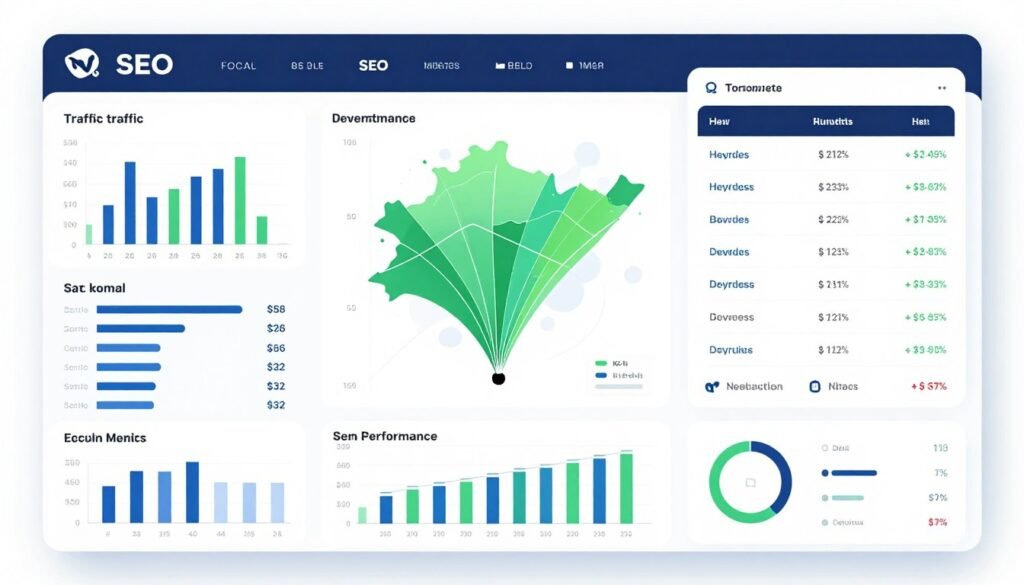
Your Google Business Profile provides valuable performance data. Check insights regularly to understand how customers find and interact with your profile. Track metrics like how many people view your profile, request directions, visit your website, or call your phone number.
Monitor where customers find you – direct search for your business name versus discovery through category searches. This reveals brand awareness versus new customer acquisition. Track which photos get the most views and how your business appears in searches compared to similar businesses.
Google Analytics and Search Console
Google Analytics shows traffic from local searches and how those visitors behave on your site. Set up goals to track conversions like form submissions, phone clicks, or direction requests. Create segments to isolate local traffic and compare performance against other traffic sources.
Google Search Console reveals which queries trigger your site in search results and your average position. Filter by location to see performance in specific cities or regions. Monitor click-through rates and identify opportunities where you rank well but aren’t getting clicks.
Call Tracking
Implement call tracking to understand which marketing efforts drive phone calls. Use different phone numbers for different marketing channels or even different citation sources. This attribution helps you invest more in channels that generate calls and revenue.
Call tracking tools can record calls for quality assurance and training. They provide data on call duration, time of day, and caller location. This information helps optimize staffing and understand customer behavior patterns.
Rank Tracking
Monitor your rankings for target keywords in specific locations. Use rank tracking tools that check positions from the geographic areas you serve. Local rankings can vary significantly by neighborhood or even by individual user location.
Track both the local pack (map results) and organic rankings. Monitor competitor rankings too, understanding the competitive landscape and spotting opportunities. Regular rank tracking reveals the impact of your optimization efforts and algorithm changes.
Conversion Tracking
The ultimate measure of local SEO success is business results. Track conversions from local search including form submissions, phone calls, direction requests, online bookings, and in-store visits. Attribute revenue to specific local SEO efforts when possible.
Calculate metrics like cost per acquisition and return on investment for local SEO. Compare these to other marketing channels. Understanding the full funnel from search impression to customer helps justify continued investment and guides optimization priorities.
Competitive Analysis
Regularly analyze competitor local SEO performance. Which businesses rank above you in local pack? What are they doing differently? Examine their Google Business Profiles, citation profiles, review strategies, and website optimization.
Use competitive insights to identify gaps in your strategy. If competitors have more reviews, prioritize review generation. If they rank for keywords you’re missing, create content targeting those terms. Competitive analysis reveals both threats and opportunities in your local market.
See Real Results from Real Businesses
Discover how we’ve helped businesses like yours increase local visibility, generate more leads, and grow revenue through strategic local SEO. Our case studies show proven results across industries.
Advanced Local SEO Tactics
Once you’ve mastered foundational local SEO, advanced tactics can give you a competitive edge. These strategies require more effort but deliver significant results for businesses serious about dominating local search.
Google Posts for Engagement
Google Posts allow you to publish updates directly to your Google Business Profile. These posts appear in your knowledge panel and can highlight offers, events, products, or news. Posts stay visible for seven days (or until the event date), making them perfect for timely promotions.
Use Google Posts to share weekly specials, upcoming events, new products, or seasonal offerings. Include compelling images and clear calls-to-action. Posts with offers or CTAs can include buttons that drive specific actions like calling or booking.
Q&A Management
The Questions and Answers section of your Google Business Profile allows anyone to ask questions publicly. Monitor this section regularly because both customers and competitors can post questions. Answer questions promptly and thoroughly.
Proactively add frequently asked questions with helpful answers. This prevents competitors or trolls from controlling the narrative. Well-crafted Q&As serve as additional content that can rank in search and provide value to potential customers researching your business.
Voice Search Optimization
Voice searches often have local intent. People use voice assistants to find nearby businesses while driving or multitasking. Optimize for voice by targeting conversational, question-based keywords and ensuring your NAP information is consistent and accurate everywhere.
Create content that answers specific questions people ask aloud. Use natural language and featured snippet optimization techniques. Voice search results often pull from position zero or local pack results, so visibility in these areas improves voice search performance.
Hyperlocal Content
Go beyond city-level optimization to target specific neighborhoods, districts, or even streets. Create extremely localized content that demonstrates deep knowledge of micro-communities within your service area.
- Neighborhood-specific landing pages
- Coverage of hyperlocal events
- Partnerships with neighborhood organizations
- Content about neighborhood landmarks
Local Structured Data
Implement advanced schema markup beyond basic LocalBusiness schema. Add Event schema for events you host, Product schema for items you sell, and FAQ schema for common questions.
- Multiple schema types on relevant pages
- Regular testing with validation tools
- Updates when business information changes
- Monitoring for rich result eligibility
Multi-Language SEO
If you serve diverse communities, optimize for searches in multiple languages. Create content in languages your customers speak and optimize Google Business Profiles with translations.
- Language-specific landing pages
- Translated Google Business descriptions
- Multilingual customer service
- Content about serving specific communities
Seasonal Optimization
Adjust your local SEO strategy for seasonal fluctuations in demand. Update content, hours, and offers to match seasonal customer behavior and needs.
- Seasonal service pages and blog content
- Updated Google Business attributes
- Seasonal Google Posts and offers
- Holiday hours management
Video for Local Visibility
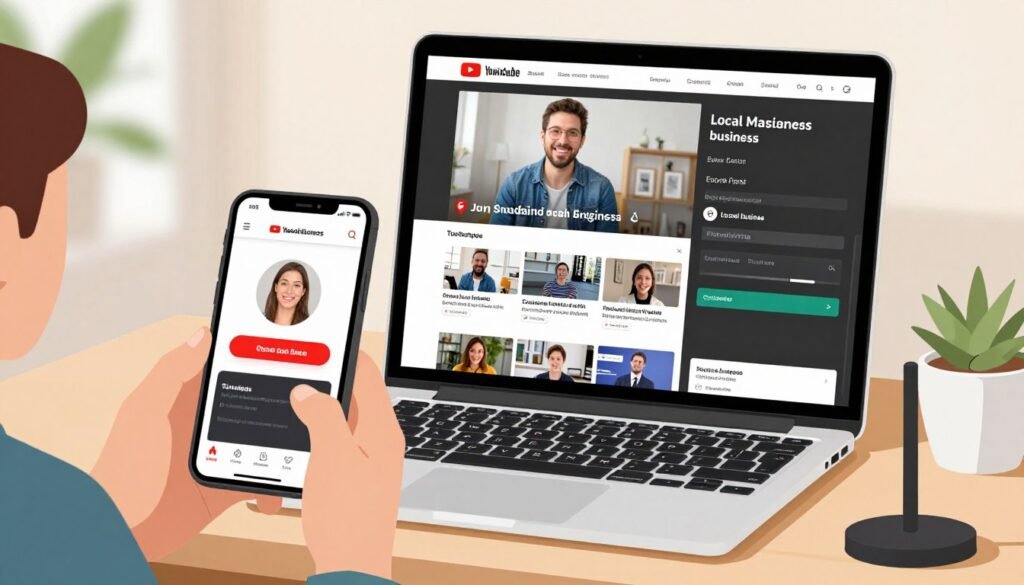
Video content performs exceptionally well in local search. Create videos showcasing your business, explaining services, giving tours, or featuring customer testimonials. Upload videos to YouTube with location-tagged titles and descriptions. Embed videos on your website and Google Business Profile.
Videos of your physical location help customers know what to expect when visiting. Virtual tours reduce uncertainty and increase foot traffic. Customer video testimonials build trust more effectively than written reviews. Video’s engagement power makes it a valuable local SEO asset.
Common Local SEO Mistakes to Avoid
Even experienced businesses make local SEO mistakes that limit their success. Avoiding these common pitfalls saves time and improves results. Understanding what not to do is just as important as knowing best practices.
Inconsistent Business Information
The most common and damaging mistake is inconsistent NAP information across the web. Inconsistencies confuse search engines about which information is correct. They dilute ranking signals and can prevent you from ranking well despite other strong optimization.
Audit all your citations quarterly to catch and correct inconsistencies. When you change phone numbers, addresses, or business names, update every single citation immediately. Budget time for this maintenance because it directly impacts rankings.
Choosing the Wrong Categories
Selecting inappropriate Google Business categories damages your visibility. Choose the most specific primary category that accurately describes your business. Avoid choosing popular but irrelevant categories hoping to rank for those searches – Google penalizes mismatched categories.
Secondary categories should also be relevant and specific. Adding too many unrelated categories dilutes your focus. Stick to categories that truly represent your business offerings.
Category Warning: Never change your primary category frequently trying to game rankings. Stick with the most accurate category even if it seems less popular. Google rewards accuracy and consistency over manipulation.
Ignoring Reviews
Failing to respond to reviews, especially negative ones, hurts both rankings and reputation. Unanswered reviews signal that you don’t care about customer feedback. This discourages potential customers and reduces your appeal in Google’s algorithm.
Some businesses make the opposite mistake of only responding to negative reviews. Thank customers for positive reviews too. Consistent engagement across all reviews shows active management and customer appreciation.
Duplicate Location Pages
Multi-location businesses often create template location pages with only the address changed. This duplicate content provides little value and can hurt rankings. Each location page needs unique, substantive content about that specific location.
Invest in creating truly different pages. Discuss the neighborhood, local staff, location-specific services, or parking details. Unique content takes more effort but delivers better results than duplicate pages.
Keyword Stuffing
Overloading content with location keywords feels unnatural and triggers spam filters. Write for humans first, search engines second. Use location keywords naturally where they make sense. Focus on creating helpful content rather than hitting keyword density targets.
Keyword stuffing in business names is particularly problematic. Google penalizes profiles with keyword-stuffed names like “Joe’s Pizza Best Pizza Downtown.” Use your real business name only.
Why isn't my business showing in the local pack?
Several factors could prevent local pack appearances: unverified Google Business Profile, NAP inconsistencies across citations, inappropriate business category, weak review profile compared to competitors, distance from the searcher’s location, or lack of local content on your website. Audit each area and address weaknesses systematically.
How long does local SEO take to show results?
Initial improvements often appear within 4-6 weeks after claiming and optimizing your Google Business Profile. Significant ranking improvements typically take 3-6 months of consistent effort. Competitive markets require longer timelines. Local SEO is an ongoing process, not a one-time project. Patience and persistence deliver lasting results.
Can I do local SEO myself or should I hire an agency?
Basic local SEO is manageable in-house with time and learning. Claim your profile, build citations, and manage reviews yourself. However, comprehensive strategies, technical optimization, content creation, and link building require significant expertise and time. Agencies provide specialized knowledge and save you time to focus on running your business. Evaluate based on your budget, timeline, and internal resources.
Neglecting Mobile Experience
With most local searches happening on mobile, a poor mobile website experience kills conversions. Slow loading times, hard-to-read text, broken forms, and difficult navigation frustrate mobile users who quickly leave for competitors.
Test your website regularly on multiple mobile devices. Ensure pages load in under three seconds. Make phone numbers clickable. Use large, tappable buttons. Simplify navigation and forms. Mobile optimization is non-negotiable for local SEO success.
The Future of Local SEO
Local SEO continues evolving as technology and consumer behavior change. Understanding emerging trends helps you stay ahead of competitors and adapt strategies proactively. The businesses that embrace change early gain competitive advantages.
AI and Personalization
Artificial intelligence increasingly powers search results. Google uses machine learning to understand context and intent better than ever. Search results become more personalized based on user history, location, and behavior patterns.
This shift means businesses must focus even more on providing genuine value and positive user experiences. AI can detect low-quality content and manipulation attempts. Success requires authentic optimization focused on helping customers rather than gaming algorithms.
Visual and Voice Search Growth
Visual search using images instead of text queries is expanding. Google Lens allows users to photograph objects or locations and find information about them. Optimize images with descriptive filenames and alt text. Ensure your business appears correctly in image search results.
Voice search continues growing with smart speakers and voice assistants. These searches are often longer and more conversational. Optimize for question-based queries and natural language. Featured snippets and position zero become even more valuable as voice assistants pull answers from top results.
Google Business Profile Features
Google regularly adds features to Business Profiles. Recent additions include messaging, appointment booking, and product catalogs. Early adopters of new features often see visibility boosts as Google promotes new capabilities.
Stay informed about Google Business Profile updates. Test new features as they launch. Businesses that fully utilize available features signal active management and customer service commitment, which Google rewards with better visibility.
Privacy and First-Party Data
Privacy regulations and browser changes reduce third-party tracking. Businesses need strategies for collecting and activating first-party data from their own customers. Build email lists, encourage account creation, and use your own data for targeting and personalization.
This shift makes owned channels like your website and email list more valuable. Local SEO should integrate with broader marketing strategies that capture customer data and enable direct relationships without relying on platform intermediaries.
Integration with Other Channels
Successful local SEO increasingly integrates with other marketing channels. Social media signals influence local rankings. Paid search and SEO work better together. Email marketing to local customers supports SEO goals. Omnichannel strategies that coordinate efforts across platforms deliver superior results.
Break down silos between marketing channels. Share data and insights across teams. Create cohesive campaigns that reinforce messages across search, social, email, and offline channels. Integrated marketing multiplies the impact of individual tactics.
Ready to Dominate Local Search?
Partner with local SEO experts who have driven real results for thousands of businesses. We’ll create a custom strategy tailored to your market, goals, and budget. Get started with a free proposal today.
Prefer to talk? Call our local SEO specialists:
Taking Your Next Steps in Local SEO
Local SEO offers tremendous opportunity for businesses of all sizes. Whether you operate a single location or manage hundreds, strategic local search optimization connects you with customers actively looking for what you offer. The strategies outlined in this guide provide a roadmap from foundational basics to advanced tactics.
Start with the essentials: claim and optimize your Google Business Profile, build consistent citations, and actively manage your online reputation through reviews. These fundamentals deliver quick wins and establish your presence in local search results. As you master basics, expand to on-page optimization, content creation, and link building.
Remember that local SEO is an ongoing process, not a one-time project. Search algorithms evolve, competitors adapt, and customer behavior changes. Successful businesses commit to continuous improvement, regular monitoring, and strategic adaptation. Consistency over time builds authority that becomes increasingly difficult for competitors to overcome.
The businesses winning in local search share common traits: they provide excellent customer experiences that generate positive reviews, they create genuinely helpful content for their communities, and they maintain accurate information everywhere they appear online. Focus on these fundamentals while implementing technical best practices, and you’ll see your local visibility and revenue grow.
Whether you tackle local SEO in-house or partner with experts, the investment pays dividends through increased visibility, more qualified leads, and sustainable revenue growth. The local customers searching for your services right now are waiting to discover your business. Give them that opportunity through strategic local SEO.