
Enterprise brands face unique challenges in the digital landscape. Managing search visibility across hundreds or thousands of locations requires sophisticated tools and strategic depth. Traditional approaches fall short when scale becomes a priority.
The complexity intensifies as organizations expand. Each location demands individual attention while maintaining brand consistency. Search engines continuously evolve their algorithms, making enterprise GEO optimization an ongoing strategic imperative.
This comprehensive guide explores proven strategies, essential tools, and implementation frameworks. You’ll discover how leading enterprises achieve search dominance while managing operational complexity across diverse markets.
Transform Your Enterprise Search Strategy
Connect with our GEO specialists to discuss custom solutions for your multi-location brand. Get a complimentary enterprise audit and strategic roadmap.
Understanding Enterprise GEO Services
Enterprise GEO represents a specialized approach to geographic search optimization. Unlike small business solutions, enterprise implementations demand advanced architecture and comprehensive management systems. The scale requires automation combined with human expertise.
Organizations operating multiple locations need centralized control with local flexibility. This balance ensures brand consistency while addressing market-specific opportunities. Enterprise platforms provide the infrastructure for this dual requirement.
Core Components of Enterprise GEO
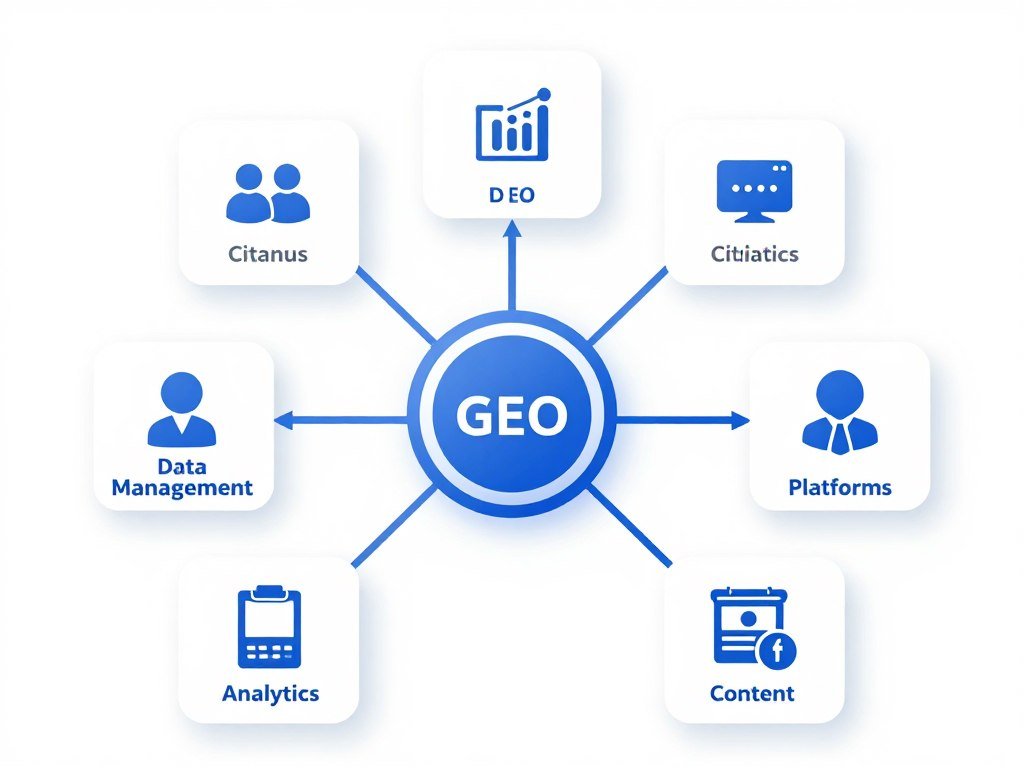
Successful enterprise implementations integrate multiple disciplines. Technical foundations support strategic initiatives while data intelligence guides decision-making. Each component contributes to overall search visibility.
- Centralized data management across all locations
- Automated citation distribution and monitoring
- Advanced analytics and performance tracking
- Integration with enterprise marketing platforms
- Scalable content optimization frameworks
- Multi-location reputation management systems
Why Traditional SEO Falls Short for Enterprises
Standard optimization approaches cannot address enterprise complexity. Managing individual location profiles manually becomes impossible at scale. Consistency breaks down without centralized systems and automated workflows.
Enterprise brands require sophisticated tracking across multiple dimensions. Geographic performance varies significantly by market. Understanding these variations demands robust data architecture and intelligence platforms.
Scale Challenges
Enterprise operations span hundreds or thousands of locations. Each requires accurate data across dozens of platforms. Manual management introduces errors and inconsistencies that damage search visibility and customer trust.
- Exponential growth in data management requirements
- Platform multiplication across locations
- Consistency maintenance across markets
- Resource allocation inefficiencies
Integration Requirements
Enterprise technology stacks include multiple systems. GEO platforms must integrate seamlessly with CRM, marketing automation, and analytics tools. Data flows between systems enable comprehensive customer intelligence.
- CRM synchronization for customer data
- Marketing platform connections
- Analytics tool integration
- Business intelligence system compatibility
Reporting Complexity
Stakeholders need visibility at different levels. Corporate leadership requires aggregate performance while regional managers need market-specific insights. Reporting systems must serve multiple audiences simultaneously.
- Multi-level reporting hierarchies
- Customized dashboards by role
- Real-time performance monitoring
- Automated insight generation
Compliance Demands
Enterprise brands face regulatory requirements across jurisdictions. Data privacy laws vary by location. Compliance frameworks must adapt to changing regulations while maintaining operational effectiveness.
- Multi-jurisdiction data privacy compliance
- Industry-specific regulatory adherence
- Audit trail maintenance
- Risk management protocols
Strategic Foundations for Enterprise GEO Success

Building effective enterprise geo strategy requires comprehensive planning. Organizations must assess current capabilities, identify gaps, and develop transformation roadmaps. Strategic clarity drives implementation success and ROI achievement.
Assessment and Audit Framework
Understanding your starting point enables targeted improvement. Comprehensive audits reveal opportunities and risks across your location portfolio. This intelligence informs strategy development and resource allocation decisions.
Enterprise Audit Components
A thorough enterprise GEO audit examines technical infrastructure, data accuracy, competitive positioning, and performance metrics. Teams analyze hundreds of data points to create actionable intelligence. This foundation ensures strategic decisions align with market realities.
- Location data accuracy across all platforms and directories
- Citation consistency analysis identifying discrepancies
- Competitive benchmark assessment by market
- Technical architecture evaluation for scalability
- Content optimization opportunity identification
- Review and reputation status across locations
- Integration readiness with existing systems
- Team capability assessment and training needs
Developing Your Enterprise GEO Strategy
Strategy transforms audit insights into actionable plans. Enterprises must balance quick wins with long-term transformation. Phased approaches enable progress while managing organizational change effectively.
Strategic Priority Framework
Not all locations contribute equally to business objectives. Strategic prioritization focuses resources on highest-impact opportunities. This approach maximizes ROI while building momentum for broader implementation.
Market analysis reveals geographic opportunity concentration. Some regions offer significantly higher growth potential based on competition levels, search volume, and market dynamics. Intelligence-driven prioritization accelerates results.
Resource allocation follows strategic priorities. High-potential markets receive enhanced support including custom content, aggressive citation building, and intensive monitoring. Secondary markets leverage automated systems with periodic oversight.
- Identify top-performing markets with growth potential
- Assess competitive intensity by geographic region
- Evaluate search volume and conversion opportunities
- Align resource allocation with strategic priorities
- Establish performance benchmarks by market tier
- Create phased rollout schedule across locations

Build Your Custom Enterprise Strategy
Our strategists work with enterprise teams to develop comprehensive GEO roadmaps. Schedule a consultation to discuss your specific market challenges and growth objectives.
Enterprise GEO Platform Selection and Implementation
Platform choice fundamentally impacts enterprise GEO success. The right technology enables scale while the wrong selection creates bottlenecks and limitations. Evaluation requires understanding both current needs and future growth trajectories.
Critical Platform Capabilities
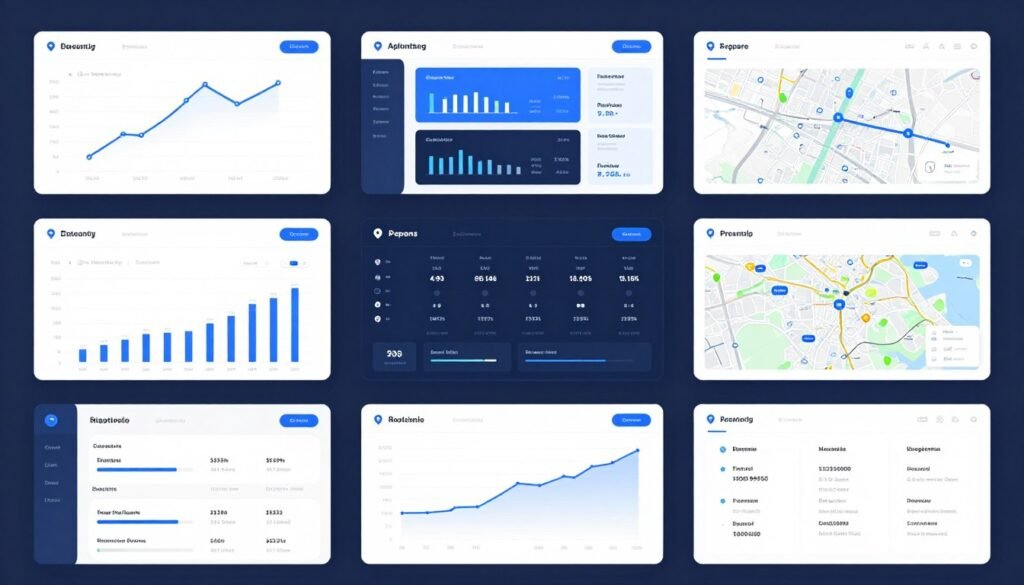
Enterprise platforms must deliver comprehensive functionality across multiple domains. Integration capabilities determine how effectively the platform fits within existing technology ecosystems. Scalability ensures the solution grows with organizational needs.
| Capability Category | Essential Features | Enterprise Requirements |
| Data Management | Centralized control, bulk editing, automated synchronization | Handle 500+ locations, real-time updates, version control |
| Citation Distribution | Multi-platform publishing, accuracy monitoring, duplicate suppression | 100+ platform coverage, automated corrections, priority support |
| Analytics & Reporting | Performance dashboards, trend analysis, competitive insights | Custom reporting, API access, white-label options |
| Integration Capabilities | API connectivity, data import/export, webhook support | Enterprise SSO, CRM sync, marketing automation links |
| Reputation Management | Review monitoring, response tools, sentiment analysis | Multi-location aggregation, workflow automation, AI insights |
| Content Optimization | Template management, localization tools, publishing workflows | Brand compliance controls, approval workflows, A/B testing |
Leading Enterprise GEO Platforms
Several platforms dominate the enterprise GEO market. Each offers distinct advantages based on organizational priorities and technical requirements. Understanding platform strengths enables informed selection aligned with strategic objectives.
Yext Platform
Yext provides comprehensive knowledge management capabilities. The platform excels at citation distribution across extensive publisher networks. Enterprise teams benefit from robust API integration and advanced analytics.
- Knowledge Graph technology for data relationships
- 200+ platform distribution network
- Advanced AI-powered insights
- Enterprise-grade security and compliance
Best For: Large enterprises requiring maximum platform coverage and sophisticated knowledge management.
SOCi Platform
SOCi specializes in localized marketing automation for multi-location brands. The platform combines GEO management with social media coordination. Teams manage reputation and content from unified dashboards.
- Unified social and search management
- Intelligent workflow automation
- Localized content distribution
- Comprehensive reputation monitoring
Best For: Enterprises integrating GEO with broader local marketing strategies and social media management.
Rio SEO Platform
Rio SEO focuses on enterprise-specific requirements with customizable solutions. The platform emphasizes data accuracy and detailed performance tracking. Organizations gain granular control over multi-location optimization.
- Highly customizable enterprise workflows
- Advanced competitive intelligence
- Detailed performance attribution
- White-label reporting capabilities
Best For: Enterprises with complex hierarchies requiring extensive customization and detailed performance attribution.
Implementation Planning and Execution
Successful platform implementation requires methodical planning and execution. Enterprise teams must coordinate across multiple departments and stakeholder groups. Phased rollouts minimize disruption while building organizational capabilities.
Common Implementation Challenges
Enterprise implementations frequently encounter data migration issues, integration complexity, and change management resistance. Teams that anticipate these challenges and develop mitigation strategies achieve significantly better outcomes. Early stakeholder engagement and comprehensive training prove critical success factors.
- Conduct comprehensive requirements gathering across all stakeholder groups
- Develop detailed data migration plan including cleansing and validation
- Design integration architecture connecting all relevant systems
- Create phased rollout schedule starting with pilot locations
- Build comprehensive training program for all user groups
- Establish governance framework and operational procedures
- Define success metrics and measurement protocols
- Plan ongoing optimization and continuous improvement processes
Data Management and Citation Excellence
Data accuracy forms the foundation of enterprise GEO success. Inconsistent information across platforms damages search visibility and customer trust. Enterprise data management requires systematic approaches ensuring accuracy at scale.
Building Your Data Foundation
Centralized data management enables consistency across all platforms. Master data records serve as authoritative sources for location information. Automated distribution ensures updates propagate efficiently without manual intervention.
Data governance establishes ownership and update protocols. Clear procedures prevent conflicting changes and maintain accuracy over time. Enterprise teams define roles, responsibilities, and approval workflows.
Essential Data Elements
- Business name with official legal entity information
- Complete physical address including suite numbers
- Primary phone numbers with proper formatting
- Operating hours including holiday schedules
- Service area definitions and geographic boundaries
- Category assignments aligned with platform taxonomies
- Website URLs for location-specific pages
- Visual assets including photos and logos
- Business descriptions optimized for local search
- Attribute selections matching actual offerings
Data Quality Standards
Quality standards ensure consistency and accuracy. Enterprises establish validation rules and verification procedures. Automated checking identifies errors before distribution occurs.
- Format standardization across all data fields
- Duplicate detection and resolution protocols
- Automated accuracy verification processes
- Regular audit scheduling and execution
- Exception handling and correction workflows
- Historical change tracking and versioning
Citation Distribution and Management
Citations represent online mentions of business information across directories, platforms, and websites. Distribution breadth and accuracy significantly impact search visibility. Enterprise citation management demands automation combined with quality oversight.
- Google Business Profile for search and maps visibility
- Apple Maps Connect for iOS ecosystem presence
- Bing Places for Business for Microsoft search
- Facebook Business Pages for social discovery
- Yelp for Business for review ecosystem
- Data aggregators distributing to hundreds of sites
Core Citation Platforms
- Healthcare directories for medical practices
- Financial services listing sites
- Hospitality and travel platforms
- Automotive dealer networks
- Professional services directories
- Retail and shopping platforms
Industry-Specific Platforms
- Chamber of commerce listings
- Local business associations
- Regional news and media sites
- Community information platforms
- Municipal business directories
- Neighborhood-specific sites
Regional and Local Directories
Monitoring and Maintenance
Ongoing monitoring identifies accuracy issues requiring correction. Search engines and platforms continuously update their systems. Regular audits ensure sustained data quality despite external changes.
Duplicate listings confuse search engines and customers. Enterprises must identify and suppress duplicates across platforms. Automated monitoring detects new duplicates emerging over time.
Citation Monitoring Best Practices
Effective monitoring combines automated tools with periodic manual verification. Enterprises establish alert systems for critical changes or newly detected duplicates. Monthly comprehensive audits complement continuous automated monitoring to ensure no issues escape detection.
Content Optimization at Enterprise Scale
Content drives organic search visibility and customer engagement. Enterprise brands must balance consistency with localization across hundreds or thousands of locations. Strategic frameworks enable effective content at scale.
Template-Based Content Strategy
Templates provide consistency while allowing necessary localization. Enterprise teams create frameworks incorporating brand voice and messaging standards. Dynamic elements populate with location-specific information automatically.
Effective templates balance standardization with flexibility. Core messaging remains consistent while critical details adapt to each location. This approach maintains brand integrity while achieving local relevance.
Content Template Components
- Brand messaging and value proposition statements
- Service descriptions with localized modifications
- Location-specific details and unique attributes
- Community connection and local engagement content
- Call-to-action elements optimized for conversion
- Visual content following brand guidelines
- Structured data markup for enhanced search features
Templates incorporate merge fields pulling from master data records. This automation ensures accuracy while dramatically reducing content creation time. Updates to templates propagate across all affected locations efficiently.
Content Localization Strategy
True localization extends beyond inserting city names into templates. Research identifies local terminology, preferences, and cultural considerations. Content reflects authentic community connection rather than obviously templated material.
Market research informs localization priorities. High-value locations receive enhanced content development including custom photography and detailed local information. Secondary markets leverage standard templates with basic localization.
Visual Content Management
Images significantly impact customer engagement and conversion rates. Enterprise visual strategies must deliver quality at scale while maintaining brand consistency. Centralized asset management enables efficient distribution and updates.
Photography Standards
Professional photography creates strong first impressions. Enterprises establish visual guidelines ensuring consistent quality and style across locations.
- Interior and exterior location photos
- Team member and staff images
- Product and service photography
- Action shots showing customer experience
- Seasonal and event-specific content
Brand Compliance
Visual brand guidelines ensure recognition and consistency. Asset libraries provide approved materials meeting quality standards.
- Logo usage and placement rules
- Color palette and design elements
- Image quality requirements
- Prohibited visual treatments
- Approval workflows for custom content
Asset Distribution
Centralized systems streamline visual content deployment. Automation ensures locations receive appropriate imagery without manual effort.
- Digital asset management platforms
- Automated distribution to platforms
- Version control and updates
- Usage rights management
- Performance tracking by image
Review Generation and Management
Customer reviews influence both search rankings and conversion rates. Enterprise review strategies generate authentic feedback while managing reputation across locations. Systematic approaches outperform ad-hoc efforts significantly.
Effective Review Strategies
- Automated post-transaction review requests
- Multi-channel solicitation including email and SMS
- Personalized request messaging increasing response rates
- Timing optimization based on customer journey
- Incentive programs complying with platform policies
- Staff training and engagement protocols
Common Review Mistakes
- Aggressive or inappropriate review solicitation
- Incentive programs violating platform terms
- Selective review requests biasing toward positive feedback
- Ignoring negative reviews without response
- Generic responses lacking personalization
- Delayed responses reducing effectiveness
Optimize Your Enterprise Content Strategy
Our content strategists help enterprises develop scalable frameworks that maintain brand consistency while achieving local relevance. Discuss your content challenges and objectives with our team.
Technical Architecture for Enterprise GEO
Technical foundations determine scalability and performance capabilities. Enterprise architecture must support current operations while enabling future growth. Strategic technical decisions impact long-term success and operational efficiency.
Website Architecture Considerations
Location page architecture affects crawling efficiency and ranking potential. Enterprise sites require structures that scale without creating duplicate content issues or crawl budget waste.
| Architecture Pattern | Structure Example | Best Use Case | Considerations |
| Subdirectory Approach | domain.com/locations/city-state/ | Most enterprise implementations | Consolidates authority, easier management, unified analytics |
| Subdomain Approach | city.domain.com | Highly autonomous location operations | Splits authority, complex management, separate analytics |
| Parameter-Based | domain.com/locations?id=12345 | Avoid for public-facing pages | Poor SEO performance, crawling issues, user experience problems |
| Hybrid Structure | domain.com/state/city/location-name/ | Geographic hierarchy emphasis | Clear organization, additional page opportunities, more complex |
Schema Markup Implementation
Structured data enables enhanced search features and improved understanding by search engines. Enterprise implementations require comprehensive schema across all location pages and supporting content.
Essential Schema Types
- LocalBusiness schema for each location
- Organization schema for corporate entity
- Product schema for offerings
- Review schema for customer feedback
- FAQPage schema for common questions
- BreadcrumbList for navigation structure
- Event schema for location activities
- VideoObject for multimedia content
Implementation Best Practices
Schema implementation must maintain accuracy and completeness. Testing identifies errors before deployment. Regular validation ensures ongoing compliance with evolving standards.
- Use JSON-LD format for clean implementation
- Validate with Google Rich Results Test
- Include all recommended properties
- Maintain consistency with visible content
- Update schema with business changes
- Monitor Search Console for errors
Mobile Optimization Requirements
Mobile devices dominate local search queries. Enterprise sites must deliver exceptional mobile experiences across all location pages. Performance optimization directly impacts visibility and conversion.
Mobile Performance Priority
Google’s mobile-first indexing makes mobile optimization non-negotiable for enterprise GEO success. Sites that perform poorly on mobile devices suffer ranking penalties regardless of desktop performance quality. Page speed, responsive design, and usability all contribute to mobile search success.
- Implement responsive design adapting to all screen sizes
- Optimize page load speed targeting under three seconds
- Ensure tap targets meet minimum size requirements
- Simplify navigation for small screen usability
- Optimize images for mobile bandwidth constraints
- Enable click-to-call functionality for phone numbers
- Test across multiple devices and browsers regularly
- Monitor Core Web Vitals metrics continuously
Tracking, Analytics, and Performance Measurement
Measurement enables optimization and demonstrates ROI. Enterprise tracking systems must capture performance across multiple dimensions while providing actionable insights. Data-driven decisions separate successful programs from underperforming initiatives.
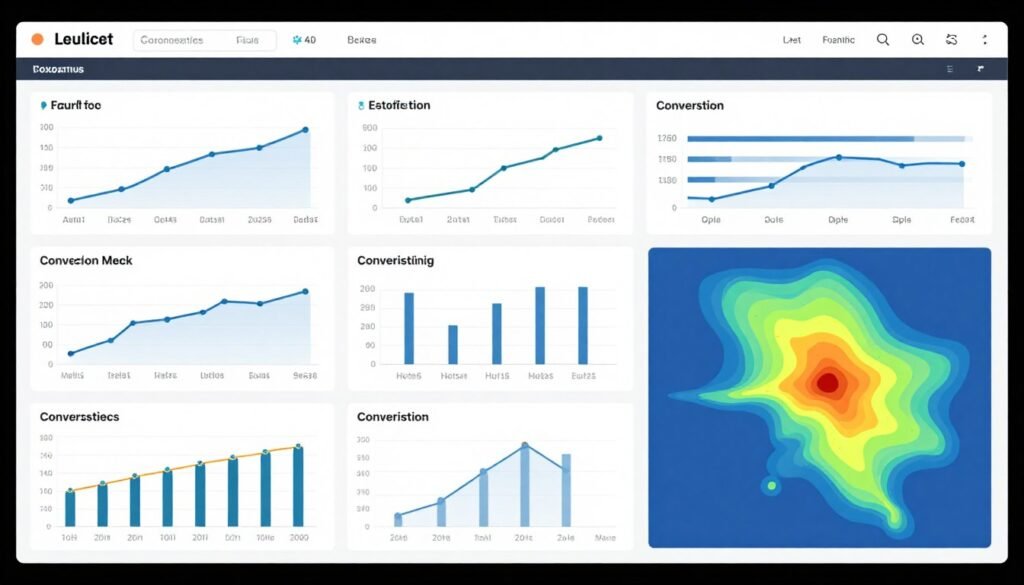
Establishing Measurement Frameworks
Comprehensive measurement tracks performance from visibility through conversion. Enterprises define metrics aligned with business objectives. Tracking systems capture data enabling both strategic assessment and tactical optimization.
Key Performance Indicators
KPI selection should reflect true business impact. Vanity metrics provide limited value compared to measurements directly tied to revenue and customer acquisition.
- Search visibility across target keywords and markets
- Organic traffic volume and trend analysis
- Conversion rates from search traffic sources
- Phone call volume and quality assessment
- Direction requests and store visit estimation
- Review volume, ratings, and sentiment trends
- Citation accuracy and coverage metrics
- Competitive ranking position analysis
- Revenue attribution to organic search
- Customer acquisition cost from search
Attribution and ROI Measurement
Demonstrating GEO program value requires connecting search visibility to business outcomes. Attribution models assign credit to touchpoints in customer journeys. ROI calculations justify continued investment and resource allocation.
Multi-Touch Attribution Challenges
Enterprise customer journeys often span multiple touchpoints across channels and timeframes. Simple last-click attribution undervalues GEO’s contribution to awareness and consideration stages. Advanced attribution models provide more accurate value assessment but require sophisticated tracking implementation.
Competitive Intelligence and Benchmarking
Understanding competitive positioning informs strategy development. Enterprises track competitor performance across markets identifying opportunities and threats. Benchmarking reveals relative strength and improvement areas.
| Competitive Metric | Measurement Approach | Strategic Application |
| Share of Voice | Ranking position across keyword portfolio | Overall visibility comparison and market share estimation |
| Review Performance | Volume and rating comparison by location | Reputation strength assessment and improvement targeting |
| Citation Coverage | Platform presence and accuracy analysis | Distribution gap identification and expansion opportunities |
| Content Depth | Page element and information completeness | Content enhancement prioritization and differentiation |
| Feature Adoption | Platform feature usage tracking | Innovation opportunity identification |
Reporting and Dashboard Development
Effective reporting serves multiple stakeholder needs. Executive dashboards emphasize business outcomes while operational reports enable tactical optimization. Automated reporting ensures consistent communication without manual effort.
Executive Reporting
Leadership requires high-level performance summaries tied to business objectives. Reports emphasize outcomes over activities.
- Aggregate performance trends
- Revenue and conversion metrics
- ROI and efficiency measures
- Competitive positioning
- Strategic initiative progress
Operational Reporting
Teams managing daily operations need detailed, actionable data. Reports identify specific issues requiring attention.
- Location-level performance details
- Data quality and accuracy issues
- Platform-specific metrics
- Task completion tracking
- Exception identification
Regional Reporting
Market managers require visibility into their specific geographic areas. Customized reports focus on relevant locations.
- Market-specific performance
- Location comparison within region
- Local competitive analysis
- Market opportunity identification
- Regional initiative impact
Implement Comprehensive Performance Tracking
Our analytics specialists design measurement frameworks aligned with your business objectives. Get expert guidance on tracking implementation and insight generation.
Enterprise GEO Agency Partnerships
Many enterprises partner with specialized agencies bringing expertise and resources. Agency relationships extend internal capabilities while providing strategic guidance. Selecting the right partner significantly impacts program success.

When to Consider Agency Partnership
Agency partnerships make sense in specific circumstances. Organizations assess internal capabilities against program requirements. Gaps in expertise, resources, or bandwidth often justify external support.
Signs You Need Agency Support
- Limited internal GEO expertise and experience
- Insufficient resources for comprehensive management
- Rapid expansion creating scaling challenges
- Underperforming current program requiring turnaround
- Complex technical requirements exceeding internal capabilities
- Need for specialized tools and platform access
- Competitive pressure demanding accelerated improvement
Agency Partnership Benefits
- Deep specialized expertise across multiple industries
- Established platform relationships and preferred pricing
- Proven processes and best practice frameworks
- Scalable resources adapting to changing needs
- Access to advanced tools and technologies
- Objective external perspective and recommendations
- Faster implementation and time-to-value
Evaluating Enterprise GEO Agencies
Agency selection requires thorough evaluation. Enterprises assess capabilities, experience, and cultural fit. The right partnership feels collaborative rather than transactional.
| Evaluation Criteria | Key Questions | Assessment Approach |
| Enterprise Experience | Have they managed similar-scale programs? What results did they achieve? | Review case studies, speak with references, assess methodology sophistication |
| Technical Capabilities | Do they have necessary technical depth? Can they handle complex integrations? | Technical interviews, solution architecture review, platform certifications |
| Strategic Thinking | Do they develop thoughtful strategies or just execute tactics? | Strategy presentation evaluation, thought leadership assessment |
| Team Quality | Who will actually work on your account? What are their qualifications? | Meet proposed team members, assess experience and expertise levels |
| Communication Style | How do they report progress? Will they proactively communicate issues? | Review sample reports, discuss communication protocols and frequency |
| Pricing Structure | Is pricing transparent and aligned with value? What’s included versus additional? | Detailed proposal review, clarification of scope and deliverables |
Managing Agency Relationships
Successful partnerships require active management. Clear expectations, regular communication, and collaborative problem-solving characterize effective relationships. Both parties contribute to program success.
Partnership Success Factors
The best agency relationships function as true partnerships rather than vendor arrangements. Agencies bring expertise and execution capacity while clients provide business context and strategic direction. Regular collaboration, transparent communication, and shared commitment to results create optimal outcomes.
- Establish clear objectives and success metrics from the start
- Define roles, responsibilities, and decision-making authority
- Create regular communication cadence including status meetings
- Provide agencies with necessary business context and insights
- Review performance against objectives quarterly at minimum
- Address issues promptly through direct communication
- Celebrate successes and recognize agency contributions
- Conduct annual relationship reviews and contract optimization
Advanced Enterprise GEO Strategies
Leading enterprises move beyond basics to implement sophisticated strategies. Advanced approaches leverage emerging technologies and innovative tactics. Competitive advantage comes from strategic depth and execution excellence.
Artificial Intelligence and Automation
AI transforms enterprise GEO through intelligent automation and predictive insights. Machine learning identifies patterns humans miss while automation handles repetitive tasks at scale. Strategic AI implementation multiplies team effectiveness.
AI Application Areas
Artificial intelligence enhances multiple aspects of enterprise GEO management. From content creation to performance prediction, AI capabilities continue expanding rapidly.
- Automated content generation and localization at scale
- Intelligent review response with brand voice consistency
- Predictive analytics forecasting performance trends
- Automated issue detection and alert generation
- Competitive intelligence gathering and analysis
- Dynamic pricing optimization for local markets
- Customer sentiment analysis across reviews
- Automated image tagging and categorization
- Chatbot integration for customer engagement
- Voice search optimization and featured snippet targeting
Implementation requires balancing automation with human oversight. AI handles scale efficiently while humans provide strategic direction and quality assurance. The combination outperforms either approach independently.
AI Implementation Considerations
While AI offers significant benefits, implementation requires careful planning. Data quality affects AI accuracy significantly. Organizations must establish governance ensuring AI outputs meet brand standards and accuracy requirements before publication.
Voice Search Optimization
Voice assistants change how people search for local information. Enterprises must optimize for conversational queries and featured snippet positions. Voice search success requires understanding user intent patterns.
Voice Query Characteristics
Voice searches differ from typed queries in structure and intent. Understanding these differences enables effective optimization.
- Longer, conversational phrasing
- Question format prevalence
- Local intent emphasis
- Immediate need indication
- Natural language patterns
Optimization Tactics
Voice search optimization focuses on natural language and direct answer formats. Content must address common questions clearly.
- FAQ content development
- Featured snippet targeting
- Conversational keyword inclusion
- Local context emphasis
- Schema markup implementation
Platform Considerations
Different voice assistants source information from various databases. Multi-platform optimization ensures maximum visibility.
- Google Assistant optimization
- Amazon Alexa integration
- Apple Siri considerations
- Platform-specific data requirements
- Cross-platform consistency
Hyperlocal Content Strategies
Generic location pages underperform content demonstrating authentic local connection. Hyperlocal strategies create genuinely relevant content for specific communities. This approach builds authority and engagement.
- Local event sponsorships and participation
- Community partnership announcements
- Neighborhood guide and resource content
- Local news and trend commentary
- Community impact and charitable activities
- Staff spotlights and local team members
Community Content Opportunities
- Neighborhood-specific landing pages
- Service area content optimization
- Local landmark and reference inclusion
- Regional terminology and language
- Market-specific offers and promotions
- Local search term integration
Geographic Content Targeting
- Customer review highlighting and responses
- Photo and video content from customers
- Social media content curation
- Customer story features
- Community testimonial collection
- Local influencer partnerships
User-Generated Content
Emerging Platform Strategies
New platforms continuously emerge offering visibility opportunities. Early adoption provides competitive advantages before saturation. Enterprises balance innovation with resource efficiency.
Platform Innovation Approach
Not every new platform deserves investment. Enterprises evaluate platforms based on audience alignment, competitive activity, and resource requirements. Pilot programs test viability before full-scale implementation across all locations.
Explore Advanced GEO Strategies
Our advanced strategy team helps enterprises implement cutting-edge approaches including AI integration, voice search optimization, and emerging platform strategies. Schedule a consultation to discuss innovation opportunities.
Enterprise GEO Case Studies and Results
Real-world examples demonstrate what’s possible through strategic enterprise GEO implementation. These case studies showcase different industry applications and the results achieved through comprehensive programs.
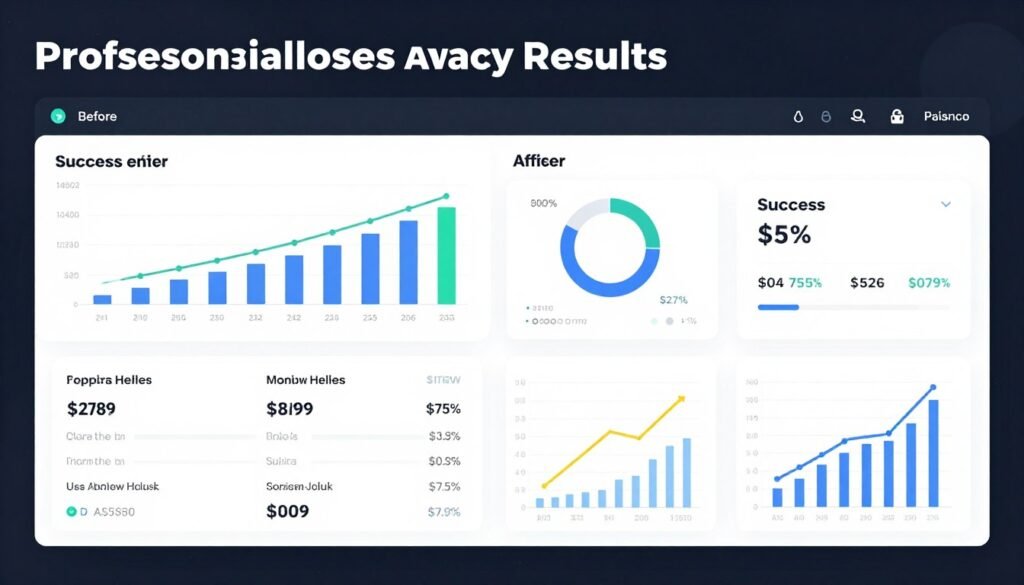
Healthcare Network Transformation
A national healthcare network with 300 locations struggled with inconsistent search visibility. Many locations appeared buried in search results while competitors dominated local rankings. The organization needed systematic improvement across all markets.
Implementation Approach
Initial Challenges:
- Inconsistent NAP data across platforms
- Minimal review volume and low ratings
- Thin location page content lacking depth
- Limited schema markup implementation
- No centralized management system
Solutions Implemented:
- Complete data audit and standardization
- Enterprise platform implementation
- Comprehensive review generation program
- Location page redesign with rich content
- Technical SEO enhancements across all sites
Results Achieved
“The transformation exceeded our expectations. We now dominate local search results across our markets, and patient inquiries through organic search increased dramatically.”— Marketing Director, National Healthcare Network
Retail Chain Expansion Success
A specialty retail chain planned aggressive expansion from 150 to 400 locations over two years. Leadership recognized that search visibility could make or break new location success. They needed scalable systems supporting rapid growth.
Strategic Initiatives
- Pre-launch optimization for new locations before opening
- Automated content generation using location-specific templates
- Aggressive review solicitation program from day one
- Local partnership development for citation building
- Grand opening content and promotion amplification
- Performance tracking comparing new versus established locations
Expansion Results
New locations achieved search visibility 60% faster than historical openings. The systematic approach enabled new stores to compete effectively with established competitors from opening day. Average time to first page rankings decreased from six months to ten weeks.
| Metric | Historical Performance | New Approach Results | Improvement |
| Time to First Page Rankings | 24 weeks average | 10 weeks average | 58% faster |
| First Month Organic Traffic | 340 visits average | 890 visits average | 162% increase |
| Reviews in First Quarter | 12 reviews average | 47 reviews average | 292% increase |
| Opening Quarter Revenue | Baseline index | 134% of baseline | 34% above target |
“Our new location ramp-up improved dramatically. Strong search visibility from opening day drove customer acquisition and helped new stores exceed revenue targets consistently.”— VP of Expansion, Specialty Retail Chain
Financial Services Competitive Turnaround
A regional bank faced aggressive competition from national brands and fintech challengers. Despite having 85 branch locations, they struggled for visibility in local search results. Market research showed customers increasingly discovered financial services through search.
Competitive Challenge Analysis
Initial assessment revealed significant competitive gaps. National banks dominated rankings through sophisticated GEO programs. The regional bank needed strategic differentiation combined with technical excellence to compete effectively.
Competitive Advantages Leveraged
- Strong local brand recognition and trust
- Community involvement and relationships
- Personalized service differentiation
- Local decision-making authority
- Existing customer satisfaction levels
Gaps Addressed
- Limited online review volume
- Inconsistent citation data
- Weak location page content
- Minimal schema implementation
- No systematic review generation
Program Results
Within eighteen months, the bank transformed its competitive position. Search visibility increased across all markets while review volume and ratings surpassed regional competitors. The program contributed to reversing branch traffic decline and supporting deposit growth.
- Average search ranking improved from position 8.4 to position 2.1
- Organic traffic to location pages increased 312%
- Review volume grew from 4.2 to 18.7 average per location
- Average rating improved from 3.6 to 4.5 stars
- Branch visit attribution to search increased 267%
- New account openings from organic search up 189%
Our Comprehensive Enterprise GEO Services
We deliver complete enterprise GEO solutions designed for multi-location brands operating at scale. Our team combines strategic expertise with technical depth and proven implementation frameworks. Enterprises partner with us to achieve sustainable search visibility across all markets.

Strategic Consultation and Planning
Every engagement begins with comprehensive strategic planning. We analyze your current state, competitive landscape, and growth objectives. This foundation ensures implementation aligns with business priorities and delivers measurable results.
Strategic Services Include
- Comprehensive enterprise GEO audit and assessment
- Competitive intelligence and benchmark analysis
- Multi-year strategic roadmap development
- Platform evaluation and selection guidance
- Resource planning and team structure design
- Success metric definition and KPI framework
- Budget planning and ROI projection modeling
- Risk assessment and mitigation planning
Our Strategic Approach
Strategy development involves deep collaboration with your team. We combine industry best practices with your specific market dynamics and organizational context. The result is a customized roadmap reflecting your unique situation.
Implementation planning balances ambition with pragmatism. We identify quick wins generating momentum while building foundations for long-term success. Phased approaches enable progress without overwhelming your organization.
Implementation and Platform Management
We handle complete implementation from platform selection through ongoing optimization. Our technical team ensures seamless integration with your existing systems. Enterprises gain sophisticated capabilities without internal resource strain.
Platform Services
- Platform evaluation and vendor negotiation
- Complete implementation and configuration
- System integration and data migration
- User training and documentation
- Ongoing platform optimization
- Performance monitoring and reporting
Data Management
- Master data establishment and governance
- Citation audit and cleanup
- Automated distribution management
- Accuracy monitoring and correction
- Duplicate suppression and resolution
- Regular data quality audits
Technical Optimization
- Website architecture consultation
- Schema markup implementation
- Mobile optimization and testing
- Page speed improvement
- Core Web Vitals optimization
- Technical SEO audits and fixes
Content Development and Optimization
Our content team creates scalable frameworks delivering quality at enterprise scale. We balance brand consistency with local relevance across all locations. Strategic content drives both search visibility and customer engagement.
- Content strategy development and template design
- Location page content creation and optimization
- Localization and market-specific customization
- Visual content strategy and implementation
- Review generation program design and management
- Review response service with brand voice consistency
- Ongoing content refresh and optimization
- Content performance analysis and improvement
Partner With Enterprise GEO Experts
Our team has delivered results for over 200 enterprise brands across diverse industries. Schedule a consultation to discuss how we can help you achieve your search visibility and growth objectives.
Nationwide Enterprise GEO Service Coverage
We serve enterprise clients across the United States from coast to coast. Our team understands regional market dynamics and platform variations affecting local search performance. Geographic expertise ensures strategies account for market-specific considerations.
Our enterprise GEO specialists serve multi-location brands throughout the United States, providing strategic guidance and implementation support regardless of your geographic footprint.
Regional Market Expertise
Different markets present unique opportunities and challenges. Competition intensity varies significantly by region and metro area. Our team analyzes market-specific dynamics informing strategic prioritization and resource allocation.
- Major metropolitan market competitive analysis
- Secondary market opportunity identification
- Regional platform usage pattern understanding
- Local citation source knowledge by market
- State and municipal regulation awareness
- Regional search behavior and terminology
- Market-specific content recommendations
- Geographic expansion strategy support
Multi-Market Management
Enterprise brands operating across diverse markets benefit from centralized strategy with local execution flexibility. Our approach maintains brand consistency while addressing market-specific opportunities and competitive dynamics. Regional performance monitoring identifies both successes to replicate and challenges requiring intervention.
Getting Started With Enterprise GEO Services
Beginning an enterprise GEO program requires thoughtful planning and stakeholder alignment. We’ve developed a proven onboarding process ensuring smooth engagement starts and rapid value delivery. Most enterprises see measurable improvements within the first quarter.

Initial Consultation and Assessment
Our discovery process establishes a complete understanding of your situation. We examine current performance, competitive position, organizational structure, and strategic objectives. This intelligence informs customized recommendations aligned with your needs.
- Schedule initial consultation call with our strategy team
- Complete preliminary assessment questionnaire
- Provide platform access for technical audit
- Share competitive intelligence and market priorities
- Discuss organizational structure and stakeholders
- Review budget parameters and timeline expectations
- Receive comprehensive assessment report
- Attend strategic recommendations presentation
Assessment Deliverables
Following discovery, you receive a detailed assessment report documenting current state, opportunity analysis, competitive benchmarking, and strategic recommendations. This becomes the foundation for your customized enterprise GEO roadmap.
Proposal Development and Agreement
Based on assessment findings, we develop detailed proposals outlining recommended approach, scope, timeline, and investment. Proposals include clear deliverables, success metrics, and team structure. We collaborate to refine scope ensuring alignment with your priorities.
| Engagement Component | Typical Timeline | Key Deliverables |
| Discovery and Assessment | 2-3 weeks | Comprehensive audit report, competitive analysis, strategic recommendations |
| Proposal and Planning | 1-2 weeks | Detailed proposal, implementation roadmap, resource plan |
| Platform Implementation | 4-8 weeks | Configured platform, migrated data, integrated systems, trained users |
| Initial Optimization | 8-12 weeks | Cleaned citations, optimized content, technical improvements, review program launch |
| Ongoing Management | Continuous | Monthly optimization, performance reporting, strategic guidance, issue resolution |
Implementation Kickoff
Following agreement, we conduct formal kickoff establishing team structures, communication protocols, and project governance. Detailed implementation plans outline activities, responsibilities, and milestones. Regular status meetings maintain momentum and address issues proactively.
Week 1-2: Foundation
- Team introductions and role clarification
- Access provisioning and system setup
- Communication protocol establishment
- Detailed project plan review
- Initial data gathering
Week 3-6: Core Implementation
- Platform configuration and integration
- Data migration and validation
- Initial optimization activities
- User training sessions
- Process documentation
Week 7-12: Optimization Launch
- Complete optimization rollout
- Performance baseline establishment
- Reporting framework activation
- Issue identification and resolution
- Continuous improvement initiation
Start Your Enterprise GEO Transformation
Ready to elevate your enterprise search visibility? Our team is prepared to help you develop and implement a comprehensive GEO strategy delivering measurable results. Contact us today to begin your journey toward search dominance.
Frequently Asked Questions About Enterprise GEO Services
What distinguishes enterprise GEO from standard local SEO?
Enterprise GEO addresses the unique challenges of managing search optimization across hundreds or thousands of locations simultaneously. Standard local SEO focuses on individual locations with manual processes, while enterprise GEO requires sophisticated platforms, automation, centralized data management, and scalable workflows. The complexity increases exponentially with location count, demanding specialized expertise and technology infrastructure.
Enterprise implementations must integrate with existing marketing technology stacks, provide multi-level reporting serving different stakeholder needs, and maintain brand consistency while enabling local relevance. These requirements necessitate fundamentally different approaches compared to small business local SEO.
How long does enterprise GEO implementation typically take?
Complete enterprise GEO implementation typically requires three to six months depending on organization size, current state, and scope. Initial platform setup and data migration occur within the first four to eight weeks. Comprehensive optimization across all locations follows over subsequent months as teams address citation cleanup, content development, and technical improvements systematically.
However, results begin appearing much sooner. Most enterprises see measurable visibility improvements within the first quarter as high-priority optimizations take effect. The program then continues with ongoing optimization and management delivering sustained improvement over time.
What investment should enterprises expect for comprehensive GEO programs?
Enterprise GEO investment varies based on location count, current state, and service scope. Most comprehensive programs range from $5,000 to $25,000 monthly for ongoing management, with initial setup costs adding $15,000 to $75,000 depending on complexity. Platform licensing adds additional costs typically ranging from $500 to $3,000 monthly based on location count and feature requirements.
Investment should be evaluated relative to potential return. Enterprises with significant revenue per location often see ROI within six to twelve months through increased organic traffic, improved conversion rates, and reduced paid search dependency. Detailed ROI projections can be developed based on your specific situation during the assessment phase.
How do you measure enterprise GEO program success?
Success measurement combines visibility metrics with business outcomes. Primary KPIs include search ranking positions across target keywords, organic traffic volume and trends, conversion rates from search traffic, review volume and rating improvements, and citation accuracy scores. These visibility metrics connect to business outcomes including lead volume, customer acquisition, revenue attribution, and ROI calculations.
Enterprise reporting provides multi-level visibility serving different stakeholder needs. Executive dashboards emphasize business outcomes and ROI while operational reports enable tactical optimization. Performance tracking occurs at corporate, regional, and individual location levels enabling both strategic assessment and targeted improvement.
Can enterprise GEO programs integrate with existing marketing technology?
Yes, integration capability is essential for enterprise GEO success. Leading platforms provide robust APIs enabling connections with CRM systems, marketing automation platforms, analytics tools, and business intelligence systems. These integrations enable unified customer data, automated workflow triggers, comprehensive attribution, and consolidated reporting across marketing channels.
Integration complexity varies based on your technology stack and desired functionality. Common integrations include CRM synchronization for customer data and lead management, marketing automation for review solicitation and nurturing, analytics platforms for comprehensive performance tracking, and business intelligence tools for executive reporting. Our technical team handles integration planning and implementation ensuring seamless data flow between systems.
What role does artificial intelligence play in enterprise GEO?
Artificial intelligence transforms enterprise GEO through intelligent automation and predictive insights. AI applications include automated content generation maintaining brand voice while achieving scale, intelligent review response ensuring timely engagement, predictive analytics forecasting performance trends, and automated anomaly detection identifying issues requiring attention.
Machine learning continuously improves through pattern recognition across your location portfolio. AI identifies what works in high-performing locations and recommends similar approaches for underperforming markets. This intelligence-driven optimization accelerates improvement while reducing manual effort. However, human oversight remains essential ensuring AI outputs meet quality and brand standards.
How often should enterprise GEO strategies be updated?
Enterprise GEO strategy requires continuous evolution responding to algorithm changes, competitive dynamics, and platform innovations. Comprehensive strategic reviews should occur annually at minimum, assessing performance against objectives and identifying new opportunities. Quarterly reviews examine tactical performance and enable course corrections addressing emerging issues or capitalizing on unexpected opportunities.
However, tactical optimization continues constantly. Monitoring systems identify issues requiring immediate attention while regular optimization cycles implement improvements systematically across locations. This combination of strategic stability with tactical agility delivers sustained competitive advantage in dynamic search environments.
What happens if data accuracy issues are discovered?
Data accuracy issues require immediate correction to prevent customer confusion and search visibility damage. Enterprise platforms enable rapid updates propagating across all affected listings simultaneously. Priority correction protocols address critical errors like incorrect phone numbers or addresses within 24 hours, while less urgent issues follow standard update cycles.
Ongoing monitoring detects accuracy issues as they emerge. Automated systems continuously verify information across platforms identifying discrepancies. Alert systems notify teams of critical issues requiring immediate attention. Regular comprehensive audits complement continuous monitoring ensuring sustained data quality despite inevitable changes over time.
Transform Your Enterprise Search Visibility
Enterprise GEO represents a strategic imperative for multi-location brands competing in increasingly digital markets. The complexity demands sophisticated approaches combining strategic depth, technical expertise, and operational excellence. Organizations that invest in comprehensive programs achieve sustainable competitive advantages through superior search visibility.

Success requires commitment beyond tactical execution. Enterprise leaders must champion GEO initiatives providing necessary resources and organizational support. Cross-functional collaboration between marketing, IT, operations, and location teams enables comprehensive implementation addressing all success factors.
The competitive landscape continues intensifying as more organizations recognize local search importance. Early movers who establish strong foundations gain advantages that become increasingly difficult for competitors to overcome. Search visibility compounds over time as authority builds and customer engagement increases.
Next Steps for Your Organization
- Assess your current enterprise GEO maturity and performance
- Identify gaps between current state and competitive requirements
- Develop business case and ROI projections
- Secure stakeholder alignment and resource commitment
- Select implementation approach and potential partners
- Begin with comprehensive audit and strategic planning
- Execute phased implementation building on quick wins
- Establish measurement and optimization processes
The Opportunity Awaits
Most enterprise brands significantly underperform their search visibility potential. Systematic GEO programs unlock this latent opportunity delivering measurable business impact. Organizations that act decisively position themselves for sustained growth while competitors struggle with fragmented approaches and inconsistent execution.
The question is not whether to invest in enterprise GEO, but how quickly you can implement comprehensive programs capitalizing on market opportunities before competitors do.
Ready to Dominate Local Search Results?
Our enterprise GEO specialists are ready to help you develop and execute a comprehensive strategy delivering measurable results. With proven frameworks, advanced technology, and deep expertise, we accelerate your path to search visibility leadership.
Contact our team today to schedule your complimentary enterprise assessment. Discover your opportunity, understand competitive dynamics, and receive customized recommendations for achieving your search visibility objectives.
Enterprise search success starts with a single decision to pursue excellence. Make that decision today and begin your journey toward dominating local search results across all your markets. Your competitors are not waiting, and neither should you.